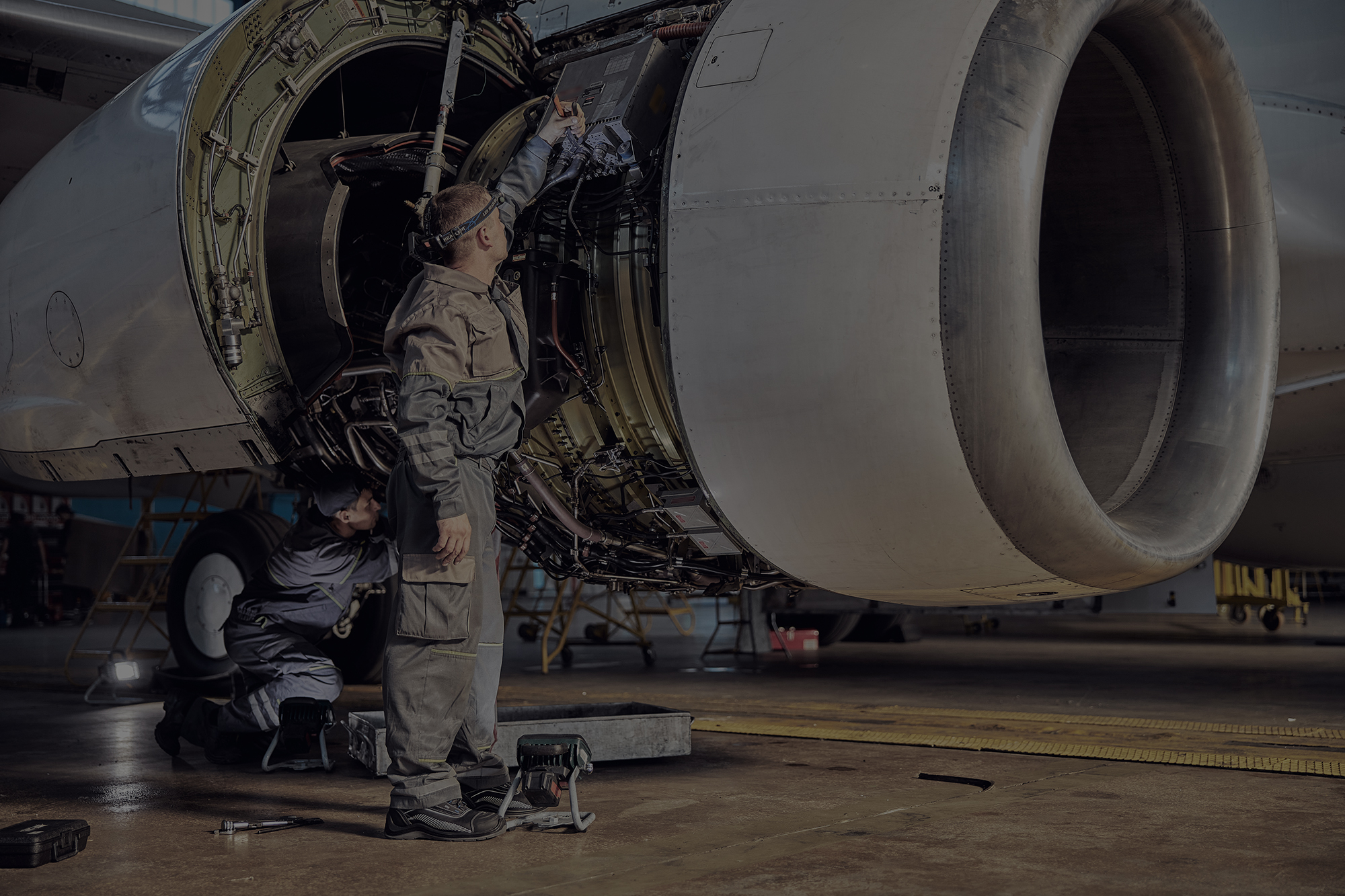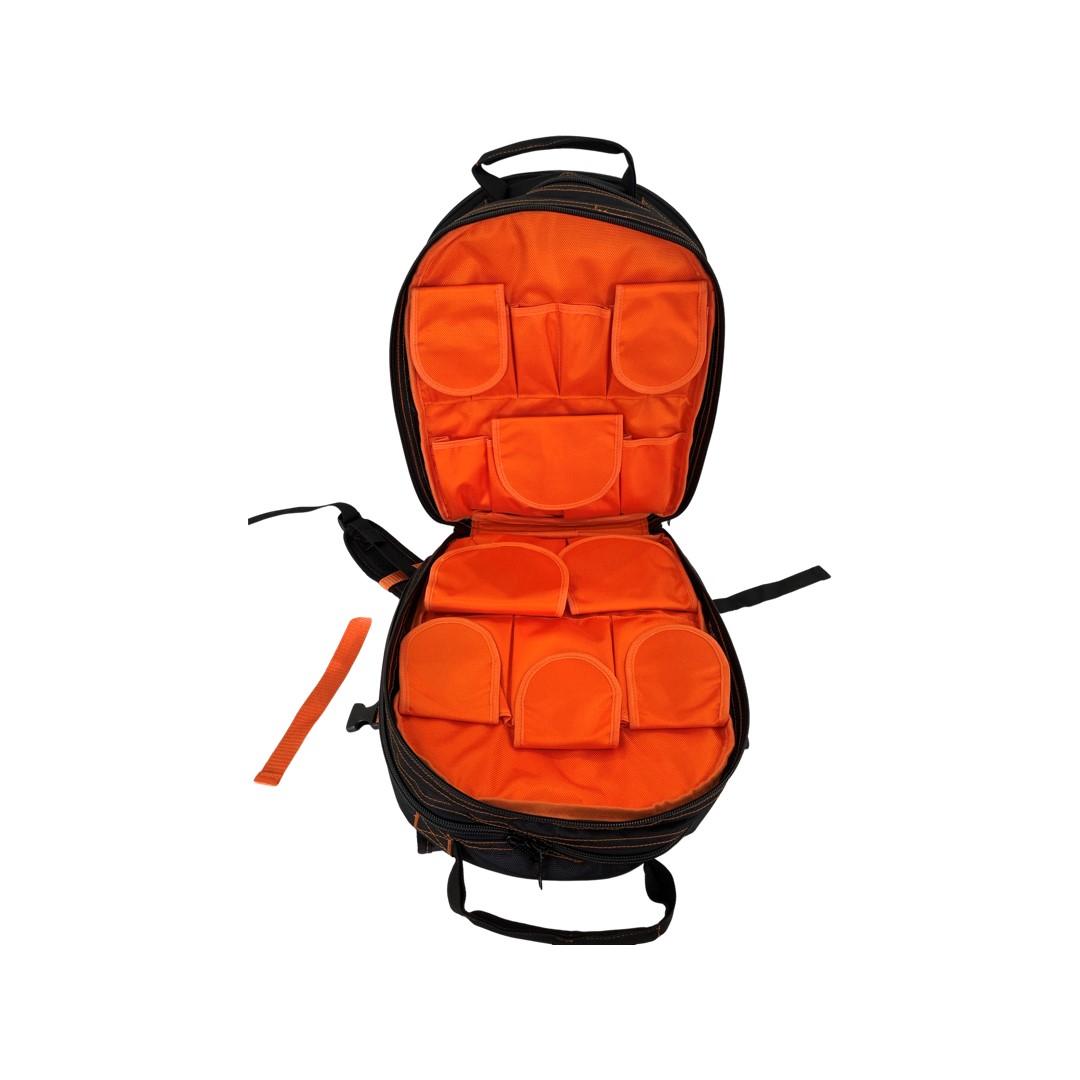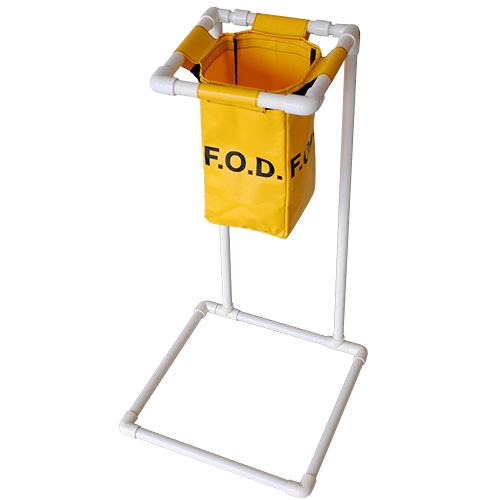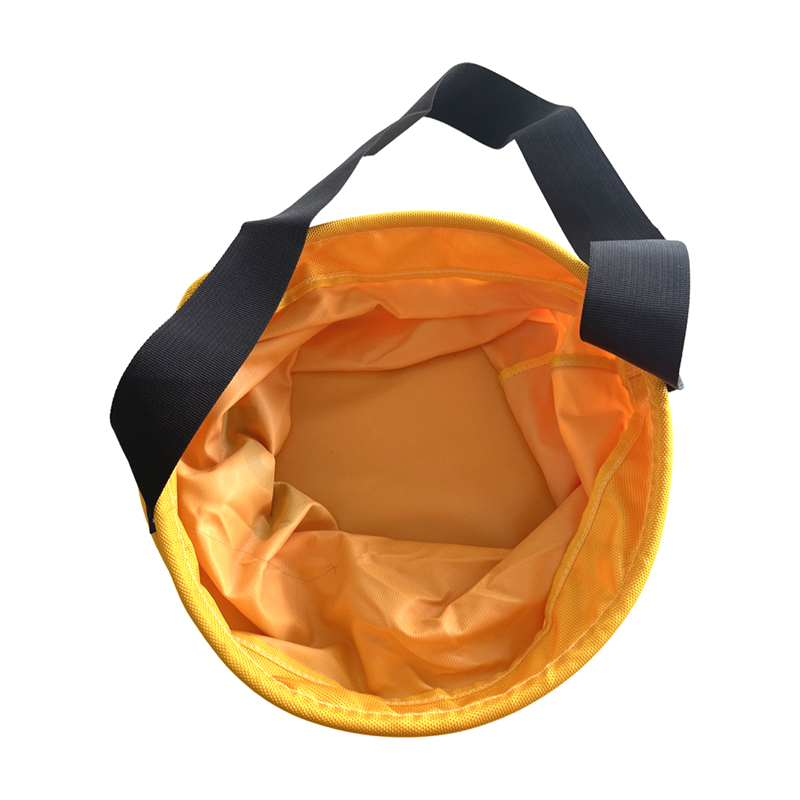
Foreign Object Debris (FOD) refers to any object that does not belong in a specific environment, particularly in aviation and aerospace settings. These objects can range from small items like tools and debris to larger items that pose significant risks to aircraft safety. Understanding FOD is crucial for maintaining operational efficiency and ensuring the safety of both personnel and equipment. This article will explore the implications of FOD in aviation, its impact on aircraft safety, common sources, and effective prevention strategies. We will also discuss the role of specialized products, such as “FOD bags“, in mitigating these risks.
Ultimately, implementing robust and effective measures is paramount to successfully eliminating foreign object debris and its associated dangers. The aviation industry continuously evolves its approach to FOD management, integrating advanced technologies and comprehensive protocols to safeguard aircraft and personnel.
Effective Measures to Dispense with FOD Methods of eliminating FOD or everything inclined to FOD are critical in modern aviation. In the present flight world, it is without doubt one of the best measures to dispense with FOD, ensuring safety and operational continuity. A review on foreign object debris/damage (FOD) and its effects on aviation industry, 2020
What is Foreign Object Debris in Aviation and Aerospace?
Foreign Object Debris (FOD) in aviation refers to any foreign object that can potentially cause damage to aircraft or equipment. This includes items like tools, loose hardware, and even wildlife. The presence of FOD poses significant risks, as it can lead to accidents, costly repairs, and operational delays. Effective FOD management is essential for ensuring the safety of flights and the integrity of aircraft systems. By implementing robust prevention strategies, aviation professionals can significantly reduce the risks associated with FOD.
FOD is not limited to physical objects; it also encompasses any debris that can interfere with aircraft operations, such as ice, sand, or even parts of the aircraft itself that have become detached. The aerospace sector, with its high precision and safety requirements, demands stringent control over FOD to prevent catastrophic failures.
How does FOD impact aircraft safety and operations?
FOD can have severe consequences for aircraft safety and operational efficiency. Incidents involving FOD can lead to engine failures, structural damage, and even catastrophic accidents. The financial implications are also significant, with costs associated with repairs, downtime, and potential legal liabilities. Preventive measures, such as regular inspections and the use of specialized FOD management products, are critical in minimizing these risks. Understanding the impact of FOD on safety and operations is vital for aviation professionals to implement effective strategies.
Beyond the direct financial and operational costs, incidents of FOD can also severely impact public trust and an airline‘s reputation. The perception of negligence can arise if FOD-related delays or accidents occur, emphasizing the importance of proactive FOD control measures.
Public Perception of FOD Damage & Airline Negligence Since the flying public assumes that all measures are taken to provide the safest product, an aircraft delayed due to FOD damage could be perceived as negligence. Effectiveness of FOD control measures, 2008
|
Impact Type
|
Description
|
Consequence
|
|---|---|---|
|
Engine Damage
|
FOD can enter engines, causing failures
|
High repair costs and potential accidents
|
|
Structural Damage
|
Objects can strike aircraft surfaces
|
Increased maintenance and inspection needs
|
|
Operational Delays
|
FOD incidents can halt operations
|
Financial losses and schedule disruptions
|
The table above illustrates the various impacts of FOD on aviation safety and operations, highlighting the need for effective management strategies. Each impact type requires tailored prevention and response protocols to mitigate risks effectively.
What are common sources and types of FOD?
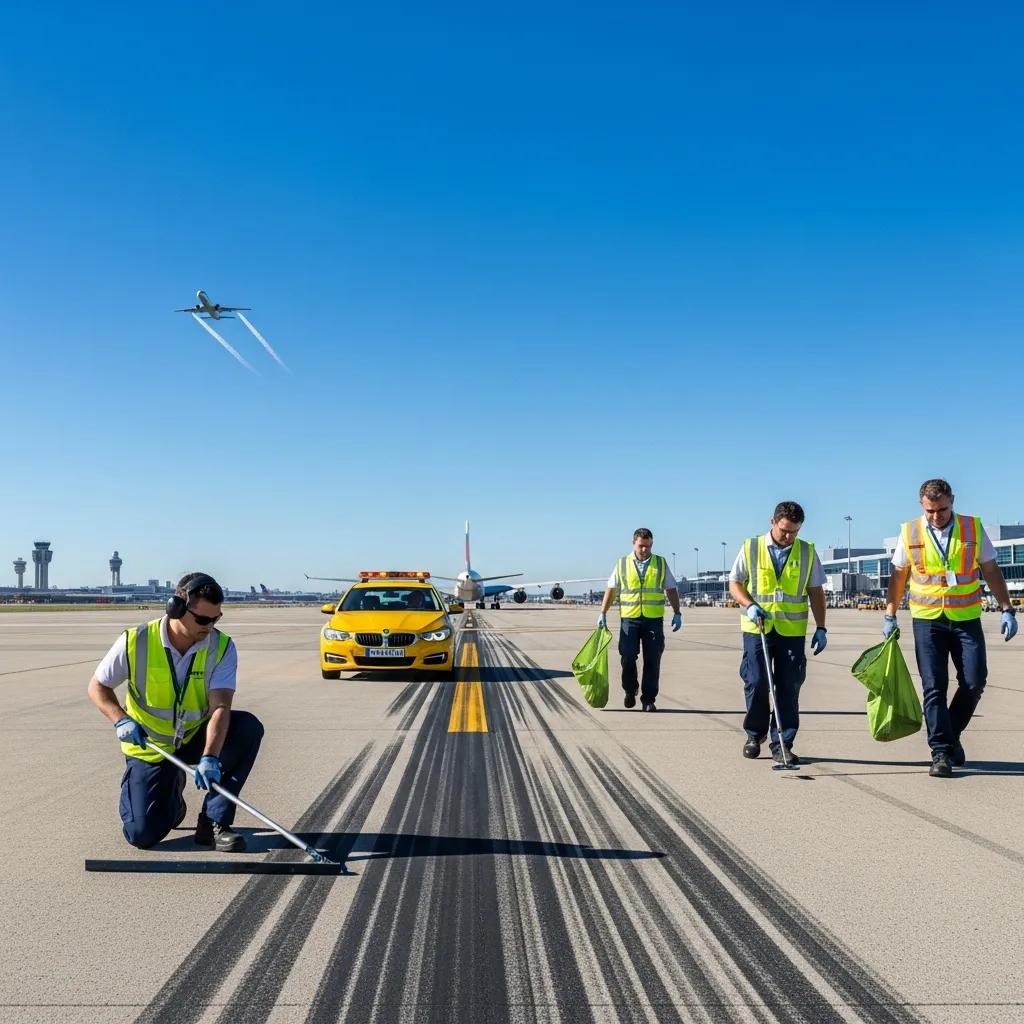
Common sources of FOD include maintenance activities, construction sites, and even wildlife. Tools and equipment left on runways, debris from aircraft, and loose items from ground support equipment are frequent contributors to FOD incidents. Understanding these sources is essential for developing effective prevention strategies. Types of FOD can be categorized into several groups, including:
-
Tools and Equipment: Items left behind during maintenance or ground operations, such as wrenches, bolts, and safety pins.
-
Debris: Loose materials such as rocks, dirt, trash, and fragments from aircraft or vehicles that can accumulate on runways and taxiways.
-
Wildlife: Birds and other animals that may enter operational areas, posing collision risks and contributing to debris.
By identifying these sources, aviation professionals can implement targeted strategies to mitigate the risks associated with FOD. This includes strict tool control procedures, regular cleaning schedules, and wildlife management programs.
How Do FOD Prevention Products Enhance Aviation Safety?


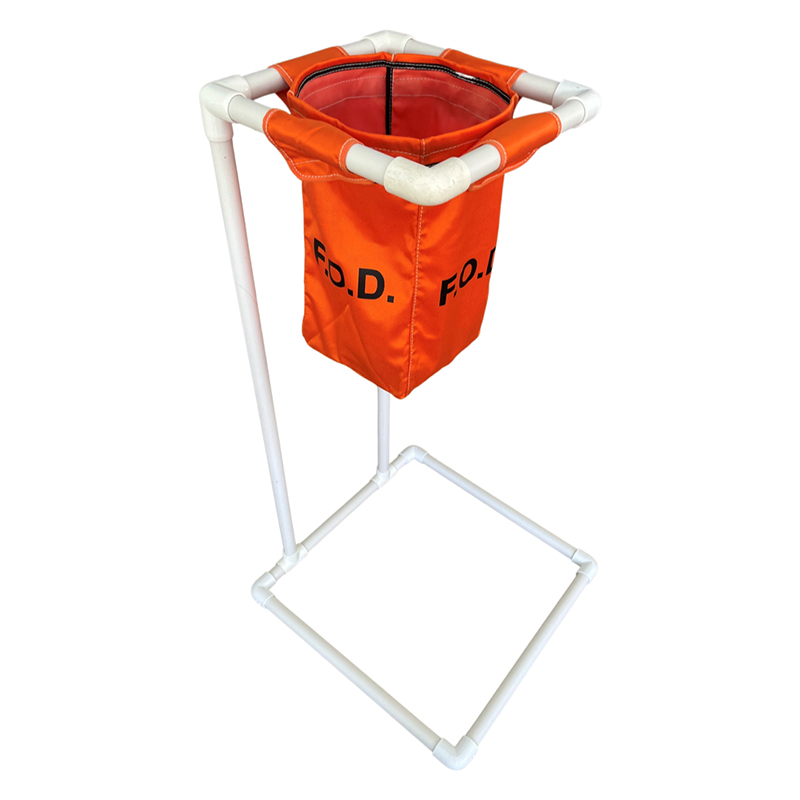
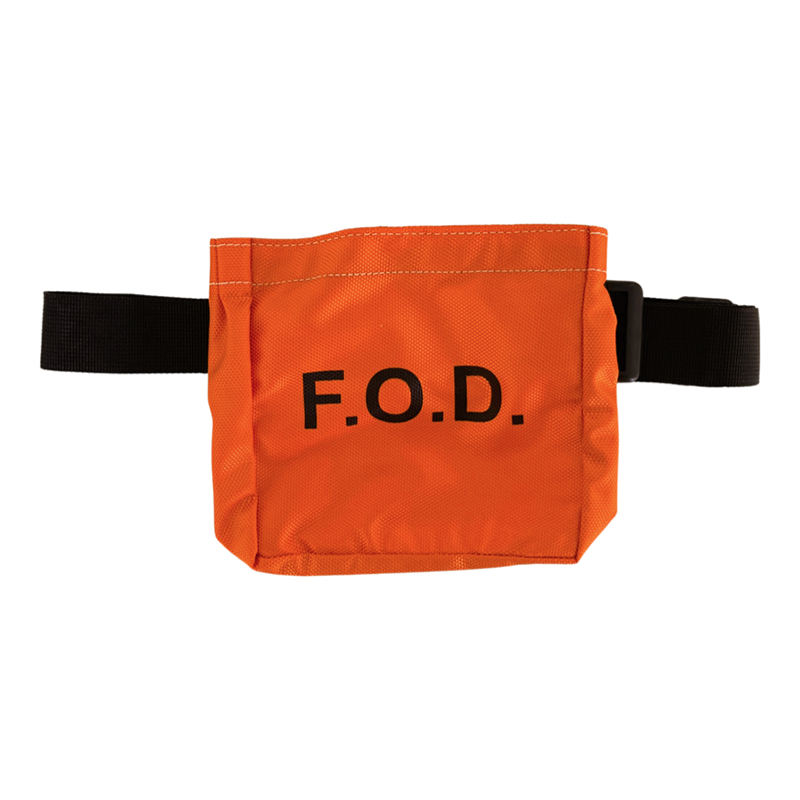
FOD prevention products play a crucial role in enhancing aviation safety by effectively managing and mitigating the risks associated with foreign object debris. These products include specialized bags, nets, and detection systems designed to capture and contain debris before it can cause harm. The use of “FOD bags“, for instance, allows ground crews to collect and dispose of debris efficiently, reducing the likelihood of FOD incidents.
Powell Pack Products (FODBag.com) specializes in FOD prevention solutions tailored for aerospace and aviation professionals, including the U.S. military and defense contractors. The company offers specialized FOD prevention products such as FOD bags designed to capture and contain debris that could cause damage to aircraft and equipment. These products are engineered to meet rigorous industry standards, ensuring durability, ease of use, and compliance with safety regulations.
In addition to physical containment products, technological advancements such as FOD detection systems using radar, infrared, and machine vision are increasingly integrated into airport operations to provide real-time monitoring and rapid response capabilities.
What are FOD bags, and how do they function?
FOD bags are specialized containers designed to collect and contain foreign object debris. Made from durable materials, these bags are used in various aviation settings to ensure that debris is safely removed from operational areas. The design of FOD bags allows for easy handling and disposal, making them an essential tool for ground crews. By effectively capturing debris, FOD bags help prevent potential damage to aircraft and enhance overall safety.
Types of FOD Bags
-
Standard FOD Bags: Used for general debris collection, these bags are lightweight and easy to transport.
-
Heavy-Duty FOD Bags: Designed for larger or heavier debris, constructed with reinforced materials to withstand rough handling.
-
Color-Coded FOD Bags: Used to differentiate between types of debris or specific operational areas, facilitating organized collection and disposal processes.
These various types of FOD bags cater to different needs within the aviation industry, ensuring that all debris is managed effectively. Their use is often integrated into comprehensive FOD control programs that include training, inspection, and reporting.
Which FOD removal products and detection equipment are essential?
Essential FOD removal products and detection equipment include:
-
FOD Bins: Strategically placed containers for collecting debris in high-traffic areas, designed for easy access and regular emptying.
-
Magnetic Sweepers: To detect and remove metal debris from runways, taxiways, and aprons, preventing damage to aircraft tires and engines.
-
Visual Inspection Tools: Such as handheld cameras, mirrors, and flashlights for thorough inspections, enabling personnel to identify and document FOD effectively.
These tools are vital for maintaining clean and safe operational environments, significantly reducing the risk of FOD incidents. Additionally, emerging technologies like drone-based inspections and automated detection systems are enhancing the speed and accuracy of FOD identification.
Indeed, the complexity of detecting and removing foreign object debris from runways necessitates advanced and precise systems. Continuous innovation in detection technology is critical to keeping pace with evolving aviation demands.
Runway FOD Detection & Prompt Removal Systems Recognition of foreign object debris (FOD) on runways is mandatory to avert accidents and emergencies. The accurate and precise estimation of FOD is very complex because of the intricate shapes and their different tiny sizes, which are not easily visible. For the prompt removal of the FOD from the runways, a robust, accurate, and precise system is badly needed. Recognizing foreign object debris (FOD): false alarm reduction implementation, T Khan, 2018
What Are Standard FOD Inspection and Control Procedures?
Standard FOD inspection and control procedures are critical for ensuring that operational areas remain free of debris. These procedures typically involve regular inspections of runways, taxiways, and maintenance areas to identify and remove potential FOD sources. Compliance with these procedures is essential for maintaining safety and operational efficiency in aviation.
Key Inspection Procedures
-
Routine Inspections: Conducted before and after flight operations, these inspections involve visual checks and the use of detection equipment to identify debris.
-
Post-Maintenance Checks: Ensuring no tools or debris are left behind after maintenance activities, often involving tool accountability systems and checklists.
-
Wildlife Management: Implementing strategies to minimize wildlife presence in operational areas, including habitat modification, deterrents, and monitoring programs.
By adhering to these procedures, aviation professionals can effectively manage FOD risks. These protocols are often mandated by regulatory authorities and integrated into airport safety management systems.
How are FOD inspection tools used effectively?


FOD inspection tools are used to identify and mitigate potential debris hazards in aviation environments. Effective use of these tools involves regular personnel training, ensuring they are familiar with the equipment and inspection protocols. Additionally, integrating technology, such as drones or automated systems, can enhance inspection efficiency and accuracy.
Best Practices for Using FOD Inspection Tools
-
Regular Training: Ensuring all personnel are trained in the use of inspection tools, including updates on new technologies and procedures.
-
Scheduled Inspections: Implementing a routine inspection schedule to catch FOD early, coordinated with flight operations to minimize disruptions.
-
Data Recording: Keeping detailed records of inspections and findings to track trends, identify recurring issues, and improve procedures over time.
These best practices help maintain a proactive approach to FOD management, fostering a culture of safety and continuous improvement within aviation organizations.
What are the best practices for FOD control in military and commercial aviation?
Best practices for FOD control in both military and commercial aviation include:
-
Comprehensive Training: Ensuring all personnel understand FOD risks and management strategies, with specialized programs tailored to different roles and responsibilities.
-
Regular Audits: Conducting audits of FOD management practices to identify areas for improvement, verify compliance, and reinforce accountability.
-
Collaboration: Encouraging communication between departments to enhance FOD awareness and prevention efforts, including the sharing of incident reports and best practices.
By implementing these best practices, aviation organizations can significantly reduce the risks associated with FOD. Military aviation often incorporates additional layers of security and operational discipline to address the unique challenges of defense environments.
Why Is Compliance with Military and Aviation FOD Standards Critical?
Compliance with military and aviation FOD standards is critical for ensuring safety and operational efficiency. These standards provide guidelines for managing FOD risks and outline the responsibilities of personnel in maintaining safe environments. Adhering to these standards not only protects aircraft and personnel but also enhances the overall reputation of the organization.
Consequences of Non-Compliance
-
Increased Risk of Accidents: Failure to manage FOD can lead to serious incidents, including loss of life and equipment.
-
Financial Penalties: Non-compliance can result in fines, increased insurance costs, and loss of contracts.
-
Reputation Damage: Organizations may suffer reputational harm due to FOD-related incidents, affecting stakeholder trust and business opportunities.
Understanding the importance of compliance is essential for all aviation professionals. Regulatory bodies enforce these standards rigorously to uphold the highest levels of safety.
What are the key military FOD standards and regulations?
Key military FOD standards and regulations include guidelines set forth by organizations such as the U.S. Department of Defense. These standards outline the requirements for FOD management, including inspection protocols, training requirements, and reporting procedures. Adhering to these regulations is essential for maintaining safety and operational readiness in military aviation.
Overview of Key Regulations
-
MIL-STD-882: Provides guidelines for system safety, including FOD management, risk assessment, and mitigation strategies.
-
NAVAIR 00-80T-113: Specific to naval aviation, detailing FOD prevention measures, inspection requirements, and training protocols.
These regulations ensure that military aviation operations maintain the highest safety standards, integrating FOD control into broader safety and operational frameworks.


Military aviation operations rely heavily on strict adherence to these standards to prevent mission-critical failures and maintain combat readiness.
How does adherence to standards improve operational efficiency and safety?
Adherence to FOD management standards significantly improves operational efficiency and safety in aviation. By implementing established protocols, organizations can reduce the likelihood of FOD incidents, leading to fewer delays and lower maintenance costs. Additionally, a strong focus on FOD management fosters a culture of safety, enhancing overall operational performance.
Benefits of Compliance
-
Reduced Incidents: Lower rates of FOD-related accidents and damage, contributing to safer flight operations.
-
Cost Savings: Decreased maintenance and repair costs associated with FOD incidents, optimizing resource allocation.
-
Enhanced Reputation: Organizations known for strong safety practices attract more business and partnerships, reinforcing market position.
By prioritizing compliance with FOD standards, aviation organizations can achieve greater operational success, ensuring long-term sustainability and safety excellence.