Why Floor Marking Matters in Aviation Safety
In aviation, floor marking is a crucial safety measure used to guide personnel, equipment, and aircraft safely within operational areas such as hangars, maintenance zones, and taxiways. Proper floor marking helps prevent accidents, ensures efficient workflow, and maintains clear boundaries to avoid hazards. These markings serve as visible cues that direct movement, designate safe zones, and highlight potential dangers, thereby supporting overall aviation safety.
What Do Floor Markings Look Like and Where Are They Used?
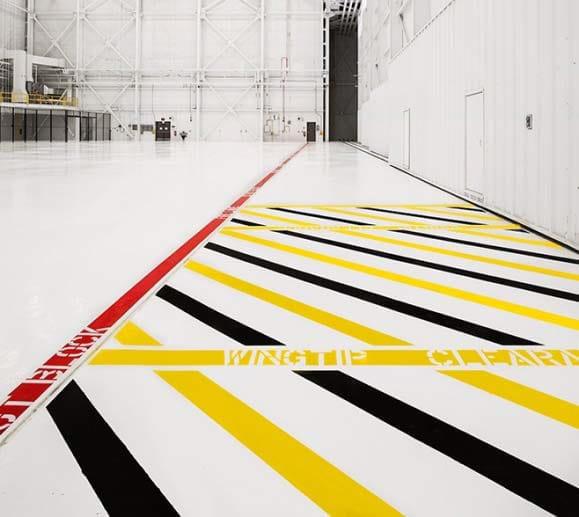
Floor markings in aviation environments are typically brightly colored lines, symbols, or patterns applied to surfaces. Common colors include yellow for caution areas, red for fire equipment zones, and white for walkways or vehicle lanes. These markings are strategically placed in hangars, maintenance bays, loading areas, and around aircraft parking spots to delineate pathways, restricted zones, and equipment storage areas. Their high visibility ensures that ground crews, maintenance personnel, and pilots can easily recognize and follow safety protocols.
Why Are Floor Markings Important in Aviation Safety?
Clear and consistent floor markings help reduce the risk of accidents and operational errors by:
- Providing visual guidance to prevent collisions between personnel, vehicles, and aircraft.
- Defining safe walkways and operational zones to minimize hazards.
- Enhancing communication and coordination among ground and maintenance crews.
- Supporting compliance with aviation safety regulations and standards.
How Are Floor Markings Used in Maintenance and Operations?
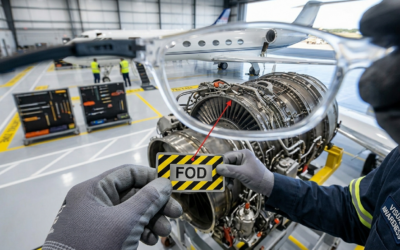
During daily operations and maintenance activities, floor markings help organize workflows and ensure that equipment and personnel remain within designated areas. For example, markings indicate where tools should be stored, where aircraft can be safely parked, and where emergency exits or fire extinguishers are located. This organization reduces clutter and foreign object debris (FOD), which can cause damage or delays. Regular inspection and upkeep of floor markings are part of comprehensive safety programs to maintain a hazard-free environment.
What Are Best Practices for Floor Marking Use?
Effective floor marking involves several key practices:
- Use durable, non-slip materials that withstand heavy traffic and environmental conditions.
- Apply standardized colors and symbols consistent with aviation safety guidelines.
- Place markings in clear, unobstructed locations to maximize visibility.
- Train all personnel on the meaning and importance of floor markings.
- Incorporate floor marking inspections into routine safety audits and maintenance schedules.
What Are the Consequences of Ignoring Floor Markings?
Disregarding floor markings can lead to serious safety hazards, including collisions, equipment damage, and increased risk of FOD incidents. Such oversights may cause operational delays, costly repairs, regulatory penalties, and endanger personnel safety. Therefore, strict adherence to floor marking protocols is essential for maintaining a safe and efficient aviation environment.
How Does Floor Marking Fit Into Overall Aviation Safety?
Floor marking is a fundamental element of aviation safety management systems. It complements other safety measures such as FOD control programs, tool accountability, and personnel training. Together, these efforts foster a culture of safety that minimizes risks and ensures smooth, reliable aircraft operations.
Advanced Considerations in Floor Marking for Aviation Safety
Beyond the basic applications, advanced floor marking strategies incorporate technology and ergonomic design to further enhance safety and operational efficiency. Innovations such as photoluminescent markings improve visibility during power outages or low-light conditions, while reflective coatings increase contrast under various lighting environments. Additionally, integrating floor markings with digital systems, such as augmented reality (AR) for maintenance personnel, can provide real-time guidance and alerts, reducing human error.
Ergonomic placement of floor markings considers human factors engineering, ensuring that markings are positioned at optimal sightlines and distances to accommodate the natural movement and attention span of personnel. This reduces cognitive load and helps maintain situational awareness in high-stress or fast-paced environments.
Regulatory and Compliance Frameworks
Floor marking practices in aviation are governed by a combination of international standards, national regulations, and industry best practices. Organizations such as the International Civil Aviation Organization (ICAO) provide guidelines that influence marking colors, patterns, and placement to ensure consistency across global operations. Compliance with Occupational Safety and Health Administration (OSHA) standards and local aviation authorities is also critical to meet legal requirements and avoid penalties.
Regular audits and certification processes verify that floor marking systems remain effective and compliant. These evaluations often include assessments of material durability, visibility under different environmental conditions, and adherence to updated regulatory changes.
Training and Human Factors in Floor Marking
Effective floor marking is only as good as the personnel’s understanding and adherence to it. Comprehensive training programs are essential to educate staff on the significance of each marking, the risks associated with non-compliance, and the procedures for reporting damaged or faded markings. Simulation exercises and scenario-based training can reinforce correct behaviors and decision-making in real-world situations.
Human factors such as fatigue, distraction, and environmental stressors can impact the effectiveness of floor markings. Therefore, continuous evaluation of marking designs and training effectiveness is necessary to adapt to changing operational demands and workforce dynamics.
Environmental and Sustainability Considerations
Modern aviation facilities are increasingly focused on sustainability, and floor marking materials and methods reflect this trend. Eco-friendly paints and tapes with low volatile organic compounds (VOCs) reduce environmental impact. Additionally, selecting long-lasting materials minimizes waste and the frequency of reapplication, contributing to resource conservation.
Facilities may also implement recycling programs for old marking materials and explore innovations such as biodegradable or recyclable marking products. These efforts align floor marking practices with broader environmental stewardship goals within the aviation industry.
Future Trends in Aviation Floor Marking
Looking ahead, floor marking in aviation is poised to evolve with advancements in smart technologies and automation. Embedded sensors within floor markings could monitor wear and tear, environmental conditions, and even detect unauthorized movements, sending alerts to safety managers in real time. Integration with airport and hangar management systems could enable dynamic reconfiguration of markings to accommodate changing operational needs.
Furthermore, the use of robotics for automated application and maintenance of floor markings promises increased precision and reduced downtime. These innovations will continue to enhance safety, efficiency, and adaptability in aviation operations.
Frequently Asked Questions
What is the purpose of floor marking in aviation?
Floor marking provides visual guidance to ensure safe movement and operation of personnel, vehicles, and aircraft within aviation facilities.
Where are floor markings commonly applied?
They are commonly applied in hangars, maintenance areas, taxiways, loading zones, and around aircraft parking spots.
Who is responsible for maintaining floor markings?
Facility management and safety personnel typically oversee the application and maintenance of floor markings.
Can ignoring floor markings lead to accidents?
Yes, ignoring floor markings can result in collisions, equipment damage, and safety hazards.
Are floor marking standards consistent across the aviation industry?
While some variation exists, floor markings generally follow industry best practices and regulatory guidelines for safety and clarity.
Conclusion
Floor marking plays a vital role in aviation safety by providing clear, visual cues that guide safe operations and prevent accidents. Proper use and maintenance of floor markings help protect personnel, equipment, and aircraft by ensuring organized, hazard-free environments. Adhering to floor marking protocols is essential for sustaining safe and efficient aviation operations worldwide. As technology and safety standards evolve, continuous improvement and innovation in floor marking practices will remain key to advancing aviation safety and operational excellence.