What Is Foreign Object Debris (FOD)? Aviation Risks, Examples, and Prevention

Mar 25, 2026

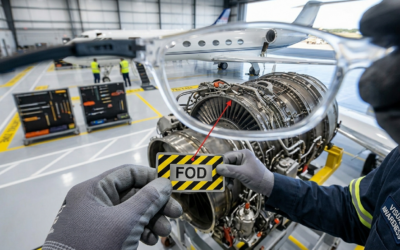
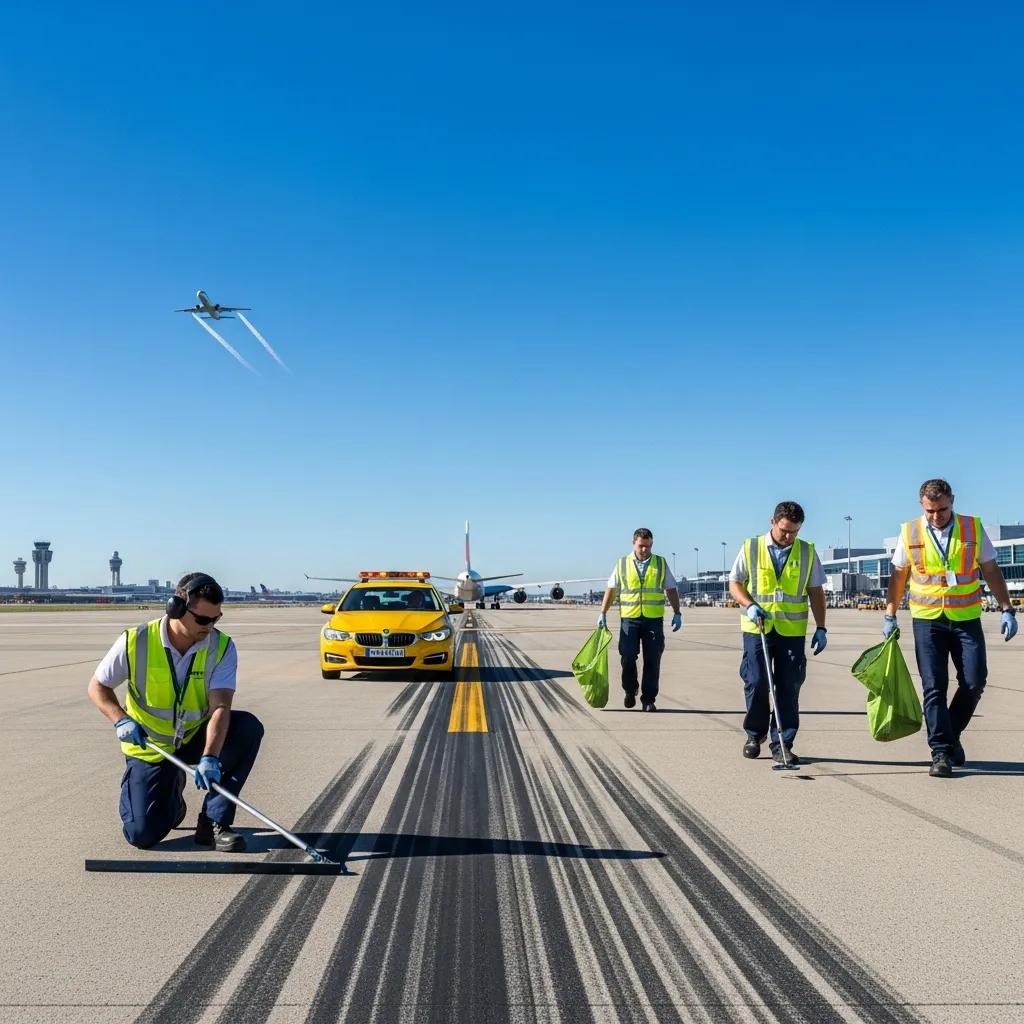
Airport runway inspection for foreign object debris with ground crew and safety equipment
Foreign Object Debris (FOD) refers to any object that does not belong in a specific environment, particularly in aviation and aerospace settings. These objects can range from small items like tools and debris to larger items that pose significant risks to aircraft safety. Understanding FOD is crucial for maintaining operational efficiency and ensuring the safety of both personnel and equipment. This article will explore the implications of FOD in aviation, its impact on aircraft safety, common sources, and effective prevention strategies. We will also discuss the role of specialized products, such as FOD bags, in mitigating these risks.

Foreign Object Debris (FOD) is any object or substance found in an inappropriate location that can damage aircraft, injure personnel, or disrupt aviation operations. In airports, hangars, maintenance zones, and military airfields, even a small item such as loose metal, stones, tools, or broken pavement can create serious safety hazards.

FOD is a major concern because it can be ingested into engines, damage tires, strike aircraft surfaces, and lead to costly repairs, delays, or catastrophic failures. For this reason, airlines, airports, military units, and maintenance teams use structured FOD prevention programs that combine inspection, housekeeping, accountability procedures, and specialized collection tools.

Understanding what FOD is, where it comes from, and how it is controlled is essential for improving aviation safety, protecting equipment, and maintaining compliance with industry best practices.

Ultimately, implementing robust and effective measures is paramount to successfully eliminating foreign object debris and its associated dangers. The aviation industry continuously evolves its approach to FOD management, integrating advanced technologies and comprehensive protocols to safeguard aircraft and personnel.
Effective Measures to Dispense with FOD Methods of eliminating FOD or everything inclined to FOD are critical in modern aviation. In the present flight world, it is without doubt one of the best measures to dispense with FOD, ensuring safety and operational continuity. A review on foreign object debris/damage (FOD) and its effects on aviation industry, 2020

What is Foreign Object Debris in Aviation and Aerospace?

Foreign Object Debris (FOD) in aviation refers to any object or substance that is out of place within an operational environment and has the potential to damage aircraft, equipment, or endanger personnel. This includes items such as tools, loose hardware, baggage fragments, pavement debris, and even wildlife.

The presence of FOD poses significant risks because aircraft operate in highly controlled environments where even small objects can cause serious damage. For example, debris can be ingested into jet engines, puncture tires during takeoff or landing, or strike critical aircraft surfaces—leading to costly repairs, operational delays, or safety incidents.

FOD is commonly understood in two forms:

  • Foreign Object Debris (FOD): Any misplaced object in an aviation environment
  • Foreign Object Damage (FOD): The actual damage caused by that debris

This distinction is essential in aviation safety programs, where the goal is not only to remove debris but to prevent damage before it occurs.

FOD is not limited to solid objects. It can also include materials such as ice, sand, fluids, or detached aircraft components that interfere with normal operations. Because of the precision required in aerospace environments, strict FOD control measures are implemented across:

  • Runways and taxiways
  • Aprons and gate areas
  • Maintenance hangars
  • Tool control and inspection zones

To reduce these risks, aviation teams implement structured FOD prevention programs that combine routine inspections, debris removal procedures, and specialized tools such as FOD bags, FOD cans, FOD tape, and FOD stickers to maintain safe and controlled environments.

Quick Definition:
FOD (Foreign Object Debris) is any misplaced object in an aviation environment that can cause damage to aircraft, equipment, or personnel.

How does FOD impact aircraft safety and operations?

Foreign Object Debris (FOD) can have severe and immediate consequences on aircraft safety and operational efficiency. Because aircraft operate at high speeds and under extreme mechanical stress, even small debris can cause significant damage when it comes into contact with critical components.

One of the most serious risks is engine ingestion, where debris is sucked into a jet engine during takeoff or landing. This can damage internal turbine blades, reduce engine performance, or lead to complete engine failure in extreme cases. Similarly, debris on runways can puncture aircraft tires, which are under high pressure, potentially causing blowouts during takeoff or landing.

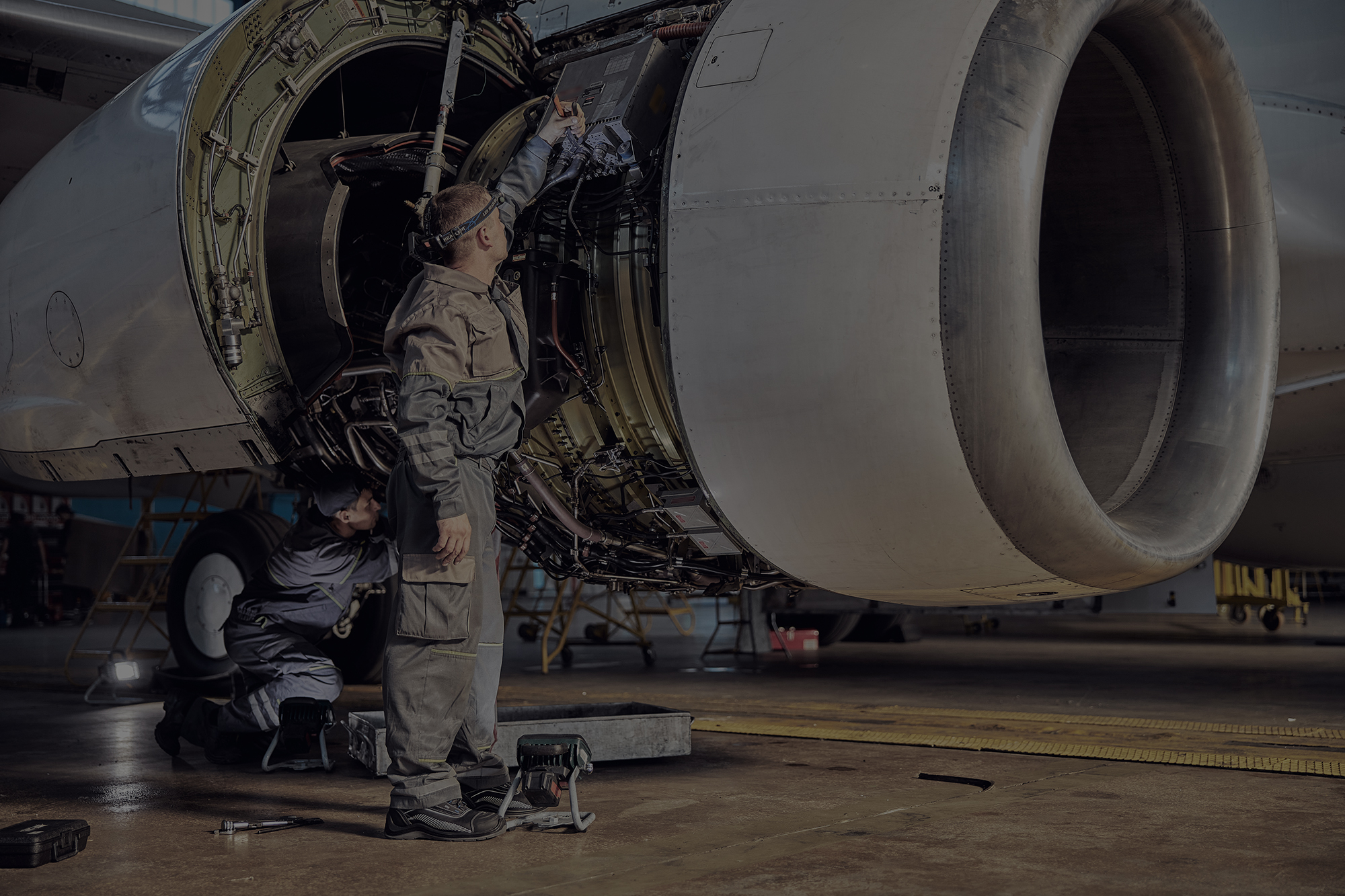
FOD can also strike the aircraft fuselage, wings, or control surfaces, leading to structural damage that may not always be immediately visible but can worsen over time. In maintenance environments, misplaced tools or loose parts can be left inside aircraft systems, creating hidden hazards that compromise safety during flight.

Beyond physical damage, FOD has a major impact on operations. It can cause:

  • Flight delays and cancellations
  • Increased maintenance and repair costs
  • Unscheduled inspections and downtime
  • Safety incidents and regulatory consequences

In fact, FOD is estimated to cost the global aviation industry billions of dollars annually due to damage, delays, and operational inefficiencies.

A well-known example of FOD-related disaster is the Concorde crash in 2000, where a small piece of metal left on the runway caused a chain reaction that led to a fatal accident. This incident demonstrates how even minor debris can escalate into catastrophic consequences in aviation environments.

Because of these risks, aviation organizations implement strict FOD control programs that include routine inspections, debris removal, and the use of specialized tools such as FOD cans, FOD bags, FOD tape, and FOD detection systems to minimize exposure and maintain safe operations.

Key Risk:
Even small debris on a runway can cause engine failure, tire blowouts, or structural damage, making FOD one of the most critical safety threats in aviation.

Public Perception of FOD Damage & Airline Negligence Since the flying public assumes that all measures are taken to provide the safest product, an aircraft delayed due to FOD damage could be perceived as negligence. Effectiveness of FOD control measures, 2008
Impact Type
Description
Consequence
Engine Damage
FOD can enter engines, causing failures
High repair costs and potential accidents
Structural Damage
Objects can strike aircraft surfaces
Increased maintenance and inspection needs
Operational Delays
FOD incidents can halt operations
Financial losses and schedule disruptions
The table above illustrates the various impacts of FOD on aviation safety and operations, highlighting the need for effective management strategies. Each impact type requires tailored prevention and response protocols to mitigate risks effectively.

What are common sources and types of FOD?

Foreign Object Debris (FOD) can originate from a wide range of sources within aviation and aerospace environments. Understanding where FOD comes from and how it is classified is essential for effective prevention and control.

Common Sources of FOD

FOD can be generated from both natural and human-related activities, including:

  • Maintenance activities: Loose tools, fasteners, safety wire, and equipment left behind after servicing
  • Aircraft operations: Detached aircraft parts, worn components, tire fragments, or fluid leaks
  • Airport infrastructure: Broken pavement, concrete fragments, loose gravel, and runway debris
  • Environmental factors: Stones, sand, ice, wildlife remains, and wind-blown debris
  • Ground handling operations: Baggage debris, cargo materials, plastic wraps, and packaging waste

These sources highlight why FOD can appear in multiple areas, including runways, taxiways, aprons, and maintenance zones.

Types of FOD (Classification)

FOD is typically categorized based on its origin and impact:

1. Metal FOD: Includes bolts, screws, tools, and aircraft fragments. High risk due to potential for engine ingestion and structural damage.

2. Organic FOD:  Includes bird remains, vegetation, or biological debris. Can affect engines and create contamination risks.

3. Runway and Pavement Debris: Includes loose asphalt, concrete fragments, and rubber buildup. Common cause of tire damage and surface hazards.

4. Tool and Equipment FOD: Includes misplaced tools or maintenance items left in aircraft or work areas. One of the most dangerous types due to hidden risk.

5. Foreign Material and Waste: Includes plastics, paper, packaging materials, and loose cargo debris. Often overlooked but contributes to operational hazards.

Common Types of FOD Include: Metal debris, organic matter, runway fragments, tools, and loose materials that can damage aircraft or disrupt operations.

Where FOD Is Most Commonly Found

FOD is most frequently identified in high-activity operational areas such as:

  • Runways and taxiways
  • Aircraft parking areas (aprons)
  • Maintenance hangars
  • Tool control zones
  • Cargo and baggage handling areas

Because FOD can originate from multiple sources and environments, aviation organizations rely on structured inspection and control programs to continuously monitor and remove debris.

To manage these risks effectively, aviation teams use specialized solutions such as FOD bags, FOD cans, FOD tape, and FOD stickers to collect, identify, and control debris across operational environments.

.

How Do FOD Prevention Products Enhance Aviation Safety?

https://images.openai.com/static-rsc-4/7tdmoB-_jqgPakryWaPgVVcK07ow5vkizwaihMSJKHIte28vlwVT-e-uFXPx0_XpEJIvqr_FD01DtJCVPj0nJ-igOpdcBgmynQ5ofj8i2Jw9--VQCuDjuD4qT0X-djRsfXtIOMArV1fKdlYesgWw8HIdOKwfOa5pFjzakOyFgNOe4dQ0ZLrJHd_XoqKaQFF7?purpose=fullsizeDisplay of FOD prevention products including bags and nets in an aviation setting

FOD prevention products play a critical role in maintaining safe aviation environments by providing structured systems for identifying, collecting, and controlling debris. In high-risk areas such as runways, taxiways, and maintenance zones, these tools help ensure that foreign objects are quickly removed and properly managed before they can cause damage.

Unlike general cleanup methods, aviation-specific FOD solutions are designed to integrate into daily operational workflows, making it easier for ground crews, maintenance teams, and safety personnel to maintain strict debris control standards.

Key FOD Prevention Tools Used in Aviation

Aviation organizations rely on a combination of specialized tools to manage FOD effectively:

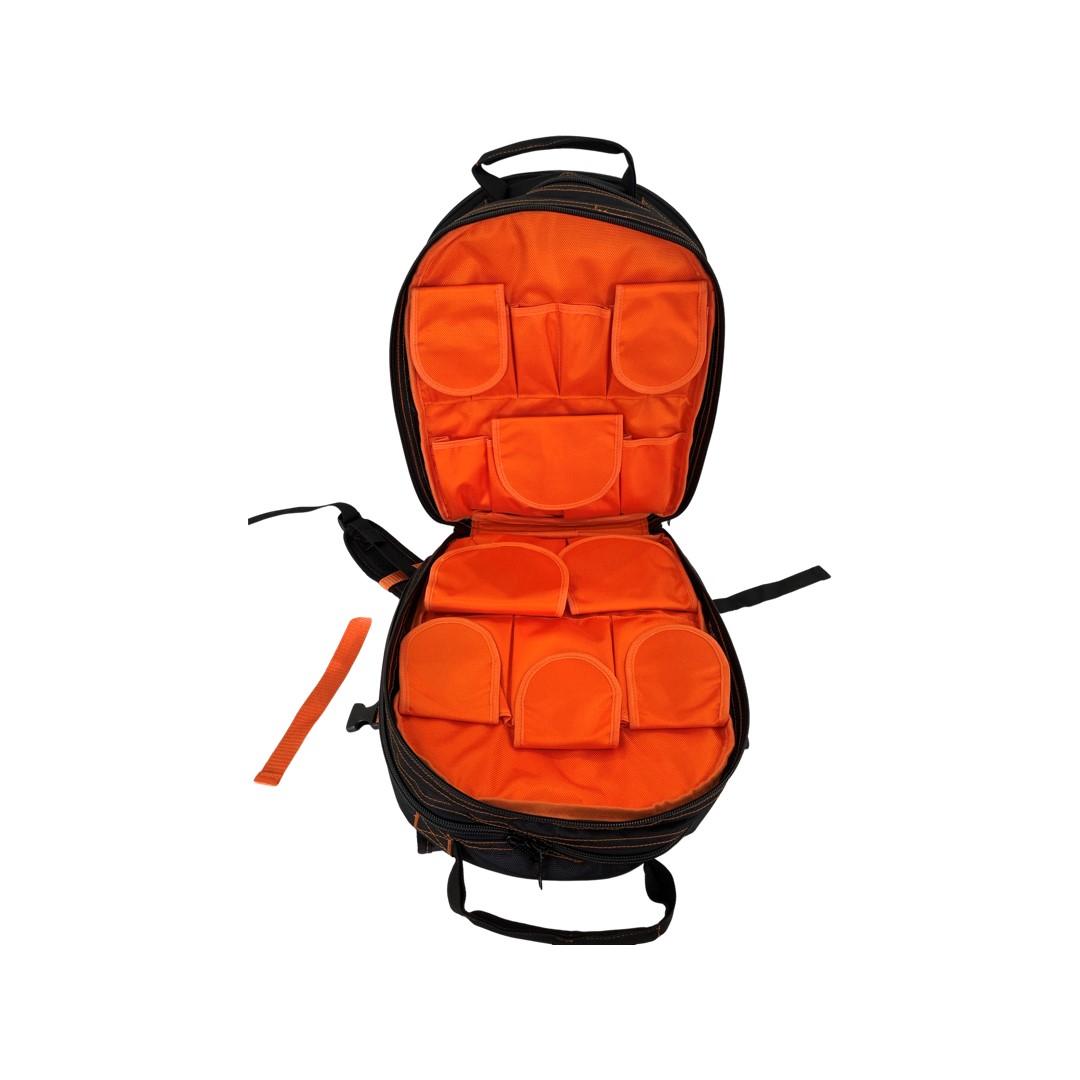
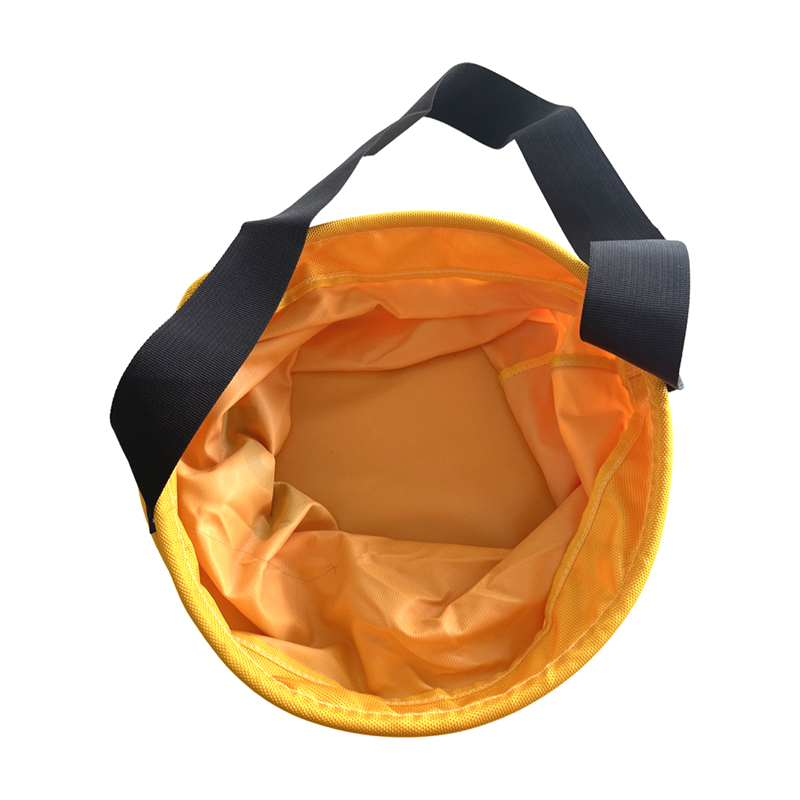
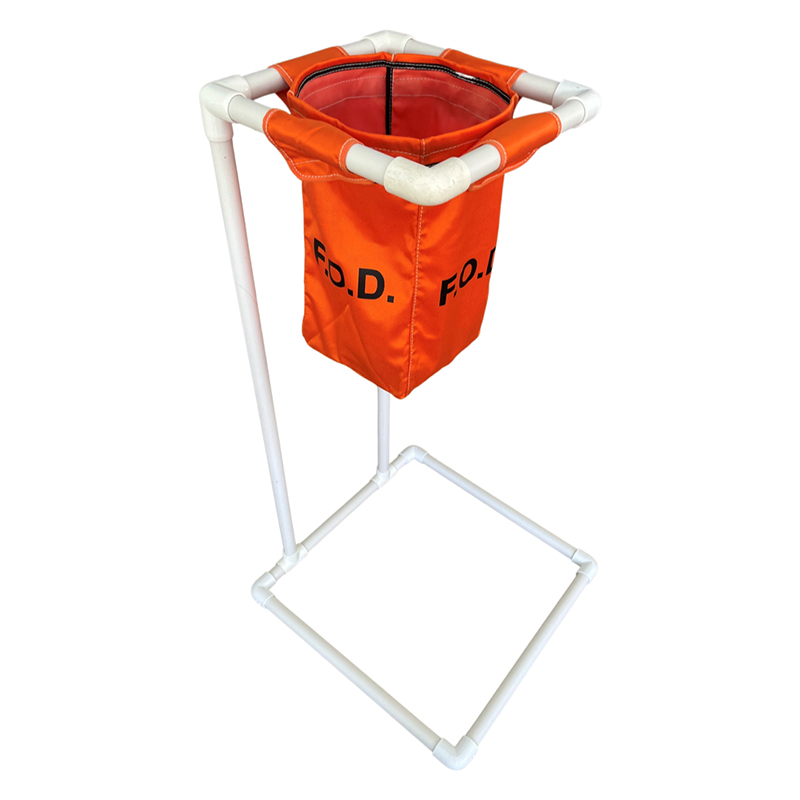
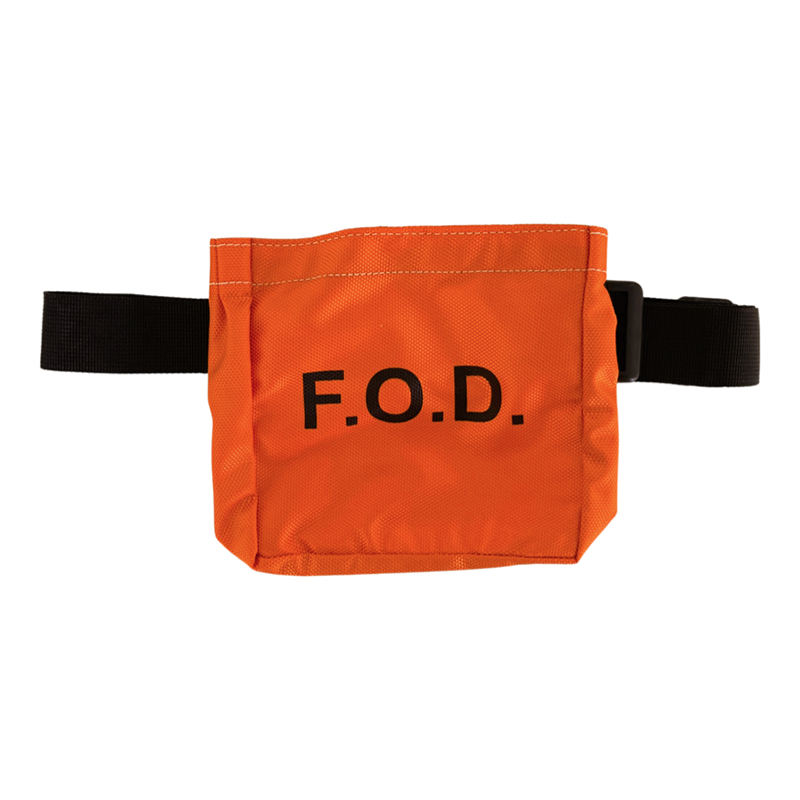
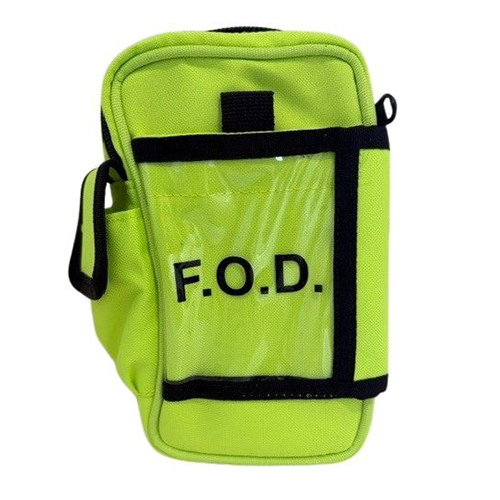
  • FOD Bags: Used during inspections and walkdowns to collect debris quickly and efficiently. These portable solutions allow teams to remove foreign objects in real time during routine checks.
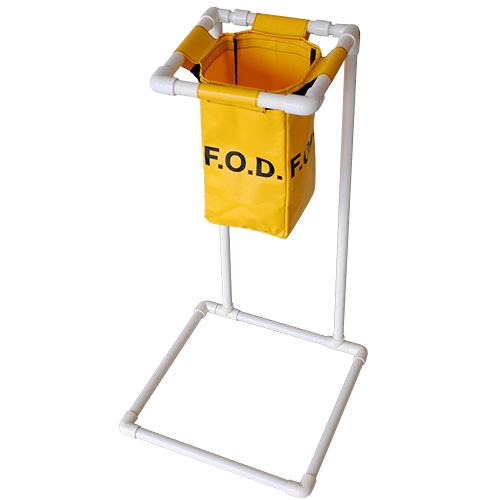
  • FOD Cans: Strategically placed across operational areas to provide designated disposal points for debris. This encourages proper waste management and reduces the likelihood of debris being left in critical zones.
  • FOD Tape: Used to mark FOD-sensitive areas, define safety zones, and improve visual awareness in high-traffic environments such as hangars and maintenance facilities.
  • FOD Stickers and Signage: Help reinforce FOD awareness programs by providing clear visual reminders for personnel to follow debris control procedures.

Why FOD Prevention Products Are Essential

These tools are not just accessories, they are part of a structured FOD control system that supports:

  • Faster debris identification and removal
  • Improved compliance with safety procedures
  • Reduced risk of aircraft damage
  • Better organization in maintenance and operational areas

By integrating these products into daily workflows, aviation teams can significantly reduce the likelihood of FOD-related incidents and maintain safer, more efficient operations.

FOD Prevention Tip: Using dedicated tools such as FOD bags, cans, and marking systems helps aviation teams maintain continuous debris control and reduce safety risks.

FOD Inspection, Control & Prevention Procedures

Effective FOD prevention requires more than awareness—it depends on structured inspection routines, control procedures, and continuous monitoring across all operational areas. Aviation organizations implement comprehensive FOD control programs designed to detect, remove, and prevent debris before it can impact aircraft safety.

FOD Inspection Procedures

Routine inspections are one of the most critical components of FOD prevention. These inspections are typically performed at scheduled intervals and before key operations such as aircraft movement or maintenance activities.

Common inspection practices include:

  • FOD Walkdowns: Teams physically walk runways, taxiways, and operational areas to visually identify and remove debris. This is one of the most widely used and effective methods in both civilian and military aviation.
  • Pre- and Post-Operation Checks: Inspections conducted before and after aircraft operations to ensure no debris is present in critical zones.
  • Tool Accountability Checks:
    Maintenance teams verify that all tools and equipment are accounted for after completing work to prevent items from being left behind.

FOD Control Procedures

Beyond inspections, aviation organizations enforce strict control measures to reduce the introduction and spread of debris:

  • Designated FOD Disposal Systems: Use of FOD cans and FOD bags to ensure debris is properly collected and removed from operational areas.
  • FOD Awareness Programs: Training and signage systems that educate personnel on the importance of debris control and safe practices.
  • Housekeeping Standards: Maintaining clean and organized workspaces to minimize loose materials and waste.
  • FOD Zone Management: Clearly marked areas using FOD tape and signage to identify high-risk zones and enforce safety protocols.

FOD Prevention Technologies

Modern aviation environments also use advanced technologies to enhance FOD detection and control:

  • Runway Sweepers and Vacuum Systems: Mechanical equipment used to remove debris efficiently from large surface areas.
  • Magnetic Collection Systems: Used to capture metal debris that may not be easily visible.
  • FOD Detection Systems: Radar- and camera-based technologies that monitor runways in real time and alert operators when debris is detected.

Continuous Monitoring and Compliance

FOD prevention is an ongoing process that requires continuous monitoring, reporting, and improvement. Aviation organizations often follow structured safety frameworks and best practices to ensure consistent debris control across all operations.

By combining routine inspections, strict control procedures, and advanced technologies, aviation teams can significantly reduce the risks associated with foreign object debris and maintain safe, efficient environments.

Best Practice: Regular FOD inspections combined with proper debris control tools and clearly defined safety zones are essential for minimizing aviation risks and maintaining operational efficiency.

What are FOD bags, and how do they function?

FOD bags are specialized containers designed to collect and contain foreign object debris. Made from durable materials, these bags are used in various aviation settings to ensure that debris is safely removed from operational areas. The design of FOD bags allows for easy handling and disposal, making them an essential tool for ground crews. By effectively capturing debris, FOD bags help prevent potential damage to aircraft and enhance overall safety.

Types of FOD Bags

  • Standard FOD Bags: Used for general debris collection, these bags are lightweight and easy to transport.
  • Heavy-Duty FOD Bags: Designed for larger or heavier debris, constructed with reinforced materials to withstand rough handling.
  • Color-Coded FOD Bags: Used to differentiate between types of debris or specific operational areas, facilitating organized collection and disposal processes.
These various types of FOD bags cater to different needs within the aviation industry, ensuring that all debris is managed effectively. Their use is often integrated into comprehensive FOD control programs that include training, inspection, and reporting.

Which FOD removal products and detection equipment are essential?

Essential FOD removal products and detection equipment include:
  • FOD Bins: Strategically placed containers for collecting debris in high-traffic areas, designed for easy access and regular emptying.
  • Magnetic Sweepers: To detect and remove metal debris from runways, taxiways, and aprons, preventing damage to aircraft tires and engines.
  • Visual Inspection Tools: Such as handheld cameras, mirrors, and flashlights for thorough inspections, enabling personnel to identify and document FOD effectively.
These tools are vital for maintaining clean and safe operational environments, significantly reducing the risk of FOD incidents. Additionally, emerging technologies like drone-based inspections and automated detection systems are enhancing the speed and accuracy of FOD identification.
Indeed, the complexity of detecting and removing foreign object debris from runways necessitates advanced and precise systems. Continuous innovation in detection technology is critical to keeping pace with evolving aviation demands.
Runway FOD Detection & Prompt Removal Systems Recognition of foreign object debris (FOD) on runways is mandatory to avert accidents and emergencies. The accurate and precise estimation of FOD is very complex because of the intricate shapes and their different tiny sizes, which are not easily visible. For the prompt removal of the FOD from the runways, a robust, accurate, and precise system is badly needed. Recognizing foreign object debris (FOD): false alarm reduction implementation, T Khan, 2018

What are the best practices for FOD control in military and commercial aviation?

Best practices for FOD control in both military and commercial aviation include:
  • Comprehensive Training: Ensuring all personnel understand FOD risks and management strategies, with specialized programs tailored to different roles and responsibilities.
  • Regular Audits: Conducting audits of FOD management practices to identify areas for improvement, verify compliance, and reinforce accountability.
  • Collaboration: Encouraging communication between departments to enhance FOD awareness and prevention efforts, including the sharing of incident reports and best practices.
By implementing these best practices, aviation organizations can significantly reduce the risks associated with FOD. Military aviation often incorporates additional layers of security and operational discipline to address the unique challenges of defense environments.

Why Is Compliance with Military and Aviation FOD Standards Critical?

Compliance with military and aviation FOD standards is critical for ensuring safety and operational efficiency. These standards provide guidelines for managing FOD risks and outline the responsibilities of personnel in maintaining safe environments. Adhering to these standards not only protects aircraft and personnel but also enhances the overall reputation of the organization.

Consequences of Non-Compliance

  • Increased Risk of Accidents: Failure to manage FOD can lead to serious incidents, including loss of life and equipment.
  • Financial Penalties: Non-compliance can result in fines, increased insurance costs, and loss of contracts.
  • Reputation Damage: Organizations may suffer reputational harm due to FOD-related incidents, affecting stakeholder trust and business opportunities.
Understanding the importance of compliance is essential for all aviation professionals. Regulatory bodies enforce these standards rigorously to uphold the highest levels of safety.

FOD Standards, Regulations & Compliance

Foreign Object Debris (FOD) prevention is not only a best practice in aviation, it is a critical component of safety compliance and operational standards across the industry. Aviation authorities and organizations have established structured guidelines to ensure consistent FOD control and risk reduction.

Industry Standards and Guidelines

Several globally recognized frameworks and best practices guide FOD prevention programs:

  • FAA (Federal Aviation Administration): Provides guidelines and advisory circulars focused on airport safety, runway maintenance, and FOD risk management.
  • ICAO (International Civil Aviation Organization): Establishes international standards for airport operations, including debris management and safety procedures.
  • NAS 412 Standard: A widely recognized aerospace standard that outlines comprehensive FOD prevention programs, including inspection procedures, training requirements, and control systems.
  • Military FOD Programs: Military aviation environments implement strict FOD control protocols, often including mandatory walkdowns, tool accountability systems, and continuous monitoring.

Why Compliance Matters

Adhering to FOD standards is essential for:

  • Maintaining aircraft safety and airworthiness
  • Preventing accidents and operational disruptions
  • Reducing maintenance costs and liability risks
  • Meeting regulatory and audit requirements

Failure to properly manage FOD can lead to serious safety violations, increased operational costs, and potential regulatory consequences.

Integrating FOD Compliance into Daily Operations

To meet these standards, aviation organizations integrate FOD control into their daily workflows through:

  • Scheduled inspections and reporting systems
  • Personnel training and awareness programs
  • Use of dedicated FOD prevention tools such as FOD bags, FOD cans, FOD tape, and FOD stickers
  • Continuous monitoring and improvement of safety procedures

By aligning with industry standards and implementing structured FOD control programs, aviation organizations can significantly reduce risk and ensure safe, compliant operations.

Overview of Key Regulations

  • MIL-STD-882: Provides guidelines for system safety, including FOD management, risk assessment, and mitigation strategies.
  • AFI 91-202: Outlines safety management practices, including FOD prevention, for the U.S. Air Force.
  • NAVAIR 00-80T-113: Specific to naval aviation, detailing FOD prevention measures, inspection requirements, and training protocols.
These regulations ensure that military aviation operations maintain the highest safety standards, integrating FOD control into broader safety and operational frameworks.
Compliance Insight: Following recognized aviation standards such as FAA, ICAO, and NAS 412 ensures that FOD prevention programs are effective, consistent, and aligned with global safety requirements.
Generated imageGenerated image
Military aviation operations rely heavily on strict adherence to these standards to prevent mission-critical failures and maintain combat readiness.

How does adherence to standards improve operational efficiency and safety?

Adherence to FOD management standards significantly improves operational efficiency and safety in aviation. By implementing established protocols, organizations can reduce the likelihood of FOD incidents, leading to fewer delays and lower maintenance costs. Additionally, a strong focus on FOD management fosters a culture of safety, enhancing overall operational performance.

Benefits of Compliance

  • Reduced Incidents: Lower rates of FOD-related accidents and damage, contributing to safer flight operations.
  • Cost Savings: Decreased maintenance and repair costs associated with FOD incidents, optimizing resource allocation.
  • Enhanced Reputation: Organizations known for strong safety practices attract more business and partnerships, reinforcing market position.
By prioritizing compliance with FOD standards, aviation organizations can achieve greater operational success, ensuring long-term sustainability and safety excellence.

Frequently Asked Questions About FOD (Foreign Object Debris)

What is FOD in aviation?

Foreign Object Debris (FOD) refers to any object or material found in an aviation environment that can damage aircraft, equipment, or endanger personnel. This includes items such as loose tools, metal fragments, runway debris, wildlife remains, and other misplaced materials.

What causes FOD on runways and airports?

FOD is caused by a combination of factors, including maintenance activities, aircraft wear and tear, broken pavement, environmental debris like stones or sand, and loose materials from ground handling operations. Poor housekeeping and lack of proper inspection procedures can also increase FOD risks.

Why is FOD dangerous to aircraft?

FOD is dangerous because it can be ingested into jet engines, puncture aircraft tires, or strike critical surfaces. Even small debris can cause engine damage, structural issues, or safety incidents, especially during takeoff and landing when aircraft operate at high speeds.

How is FOD prevented in aviation?

FOD is prevented through structured control programs that include routine inspections, FOD walkdowns, tool accountability systems, and the use of specialized tools such as FOD bags, FOD cans, FOD tape, and detection systems to identify and remove debris.

What is the difference between FOD and FOD damage?

FOD (Foreign Object Debris) refers to the object itself, while FOD damage refers to the actual harm caused by that object to aircraft, engines, or equipment. Preventing debris helps eliminate the risk of damage.

Where is FOD most commonly found?

FOD is most commonly found in high-activity areas such as runways, taxiways, aircraft parking zones (aprons), maintenance hangars, and cargo handling areas where debris can accumulate from operations and environmental factors.

What are examples of FOD?

Examples of FOD include tools left behind during maintenance, bolts and screws, tire fragments, broken pavement, stones, sand, plastic materials, and even wildlife debris. Any misplaced object in an operational area can be considered FOD