
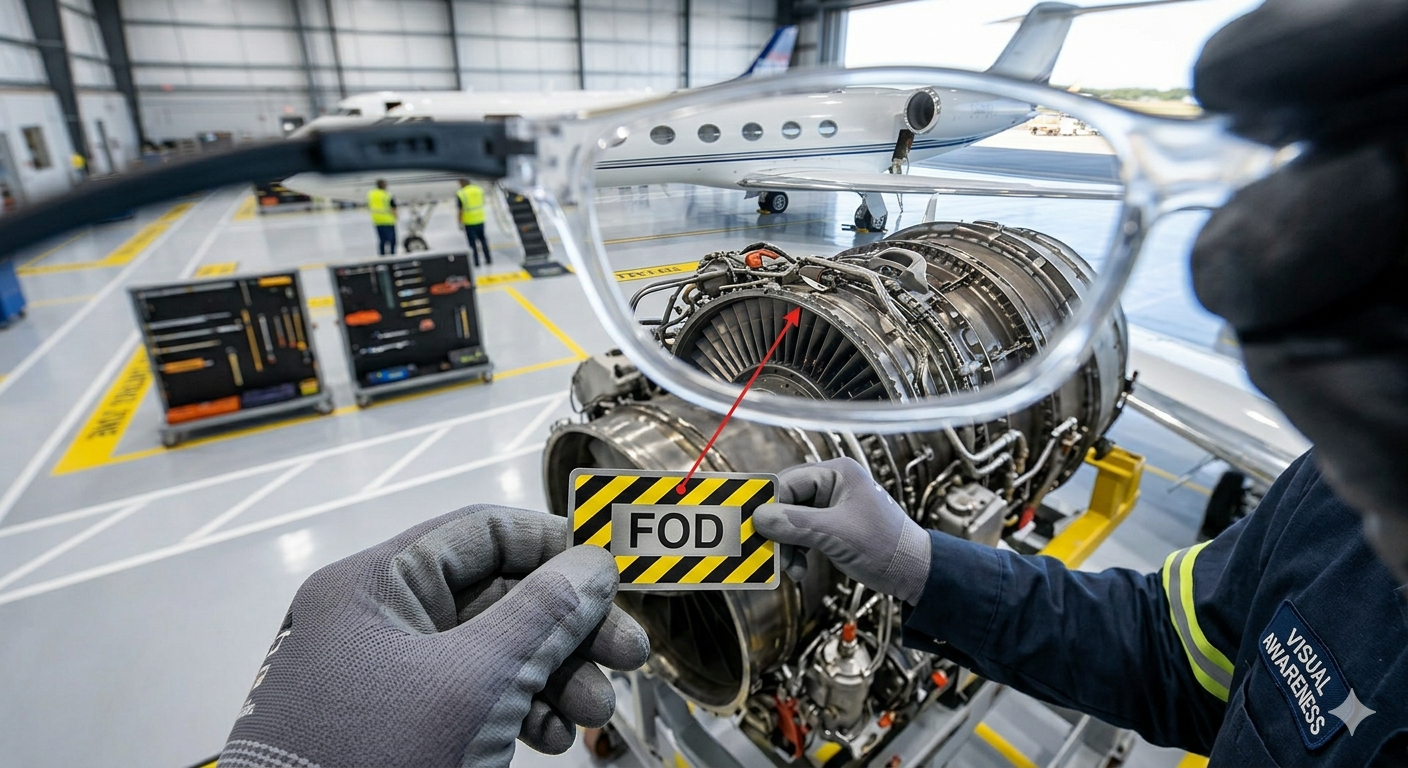
Visual awareness plays a critical role in Foreign Object Debris (FOD) prevention, protecting equipment and personnel from damage and safety hazards. This guide walks professionals through the importance of visual inspection, how trained personnel use systematic observation to identify and remove FOD, and the benefits of maintaining a clean, debris-free environment. You’ll get clear, practical information on the main advantages of visual awareness, modern inspection tools, step-by-step processes, how visual checks integrate with safety protocols, and why consistent training matters when implementing FOD prevention programs. We’ll use terms like inspection, debris identification, hazard recognition, and safety compliance so you can make informed decisions about workplace safety and equipment maintenance.
What Are the Key Benefits of Visual Awareness in FOD Prevention?
Visual awareness in FOD prevention involves systematic observation and inspection to detect and remove foreign objects that could cause damage or injury. The process combines careful scanning, identification of potential hazards, and immediate corrective action to maintain a safe and efficient environment. The main advantages are equipment protection, enhanced safety, reduced downtime, and compliance with industry standards. Understanding these benefits helps organizations prioritize visual inspection protocols to preserve operational integrity and worker safety.
Visual awareness typically outperforms random checks because trained personnel use standardized methods, calibrated tools, and consistent documentation to ensure thoroughness and accuracy. Below we explain how visual inspection systems identify and mitigate FOD risks effectively.
The primary benefits of visual awareness include:
- Equipment Protection: Early detection of debris prevents damage to machinery and costly repairs.
- Safety Enhancement: Identifying hazards reduces the risk of accidents and injuries.
- Operational Efficiency: Minimizing FOD-related downtime keeps processes running smoothly.
- Regulatory Compliance: Adhering to inspection standards meets safety and quality requirements.
These gains are easier to appreciate when you understand how visual inspection integrates with broader FOD prevention strategies.
Before the technical breakdown, here’s a clear side-by-side look at top benefits and likely outcomes to help you decide how to implement or improve visual awareness programs.
Different visual awareness benefits operate through specific mechanisms to produce predictable outcomes.
| Benefit Area | Mechanism | Expected Outcome |
|---|---|---|
| Equipment Protection | Systematic visual inspection + immediate removal | Reduced damage risk; longer equipment life |
| Safety Enhancement | Hazard recognition + prompt reporting | Fewer accidents; safer work environment |
| Operational Efficiency | Regular checks + debris control procedures | Less downtime; consistent productivity |
| Regulatory Compliance | Standardized inspection protocols + documentation | Meets safety standards; audit readiness |
This comparison shows why visual awareness delivers both protective and operational returns and prepares you for the detailed strategies that follow.
How Does Visual Awareness Prevent FOD and Equipment Damage?
Visual awareness prevents FOD by enabling personnel to identify and remove foreign objects before they cause harm. Trained inspectors scan work areas, equipment surfaces, and critical zones, looking for debris such as loose tools, hardware, or materials. When potential FOD is spotted, it is documented and removed promptly to maintain a clean environment. Consistent visual checks reduce the chance of unnoticed debris leading to equipment failure or safety incidents.
Understanding how these visual inspections work leads into how they support safety culture and operational reliability, explained next.
In What Ways Does Visual Awareness Enhance Workplace Safety?
Visual awareness enhances safety by empowering workers to recognize hazards and take corrective action. Regular inspections help identify unsafe conditions, such as misplaced objects or spills, that could cause slips, trips, or equipment malfunctions. Training programs reinforce hazard recognition skills and encourage reporting, fostering a proactive safety culture. This reduces accident rates and improves overall workplace morale.
Those safety benefits depend on thorough inspection techniques and clear communication, which ties directly into training and procedural standards discussed next.
How Do Modern Tools Support Visual Awareness in FOD Prevention?
Modern tools enhance visual awareness by improving detection accuracy and efficiency. Flashlights, magnifiers, mirrors, and cameras help inspectors see into hard-to-reach areas and identify small debris. Digital checklists and inspection apps standardize reporting and track findings over time. These tools complement human observation, enabling more reliable FOD prevention and documentation.
Effectiveness depends on both tool quality and user training. The mini-table below compares common visual inspection aids and their typical impact.
| Tool | Effectiveness | Typical Use |
|---|---|---|
| Flashlight + Magnifier | High | Detailed inspection of small or shadowed areas |
| Mirrors | Medium | Viewing behind or under equipment |
| Digital Checklists | High | Standardizing inspections and recording results |
| Visual Cameras | Medium-High | Documenting findings and remote review |
This shows why combining human vigilance with appropriate tools maximizes FOD detection and prevention. The next sections cover training and procedural integration.
Why Is Training Critical for Effective Visual Awareness?
Training is essential because it equips personnel with the skills to recognize FOD hazards and understand inspection protocols. Well-trained inspectors know what to look for, how to document findings, and when to escalate issues. Training also promotes consistency and accountability, reducing variability in inspection quality. Regular refresher courses keep skills sharp and adapt to evolving standards.
Next, we explain how visual awareness fits into comprehensive FOD prevention programs.
How Is Visual Awareness Integrated into FOD Prevention Programs?
Visual awareness is integrated through scheduled inspections, checklists, and reporting systems that ensure regular and thorough FOD checks. It complements other controls such as housekeeping, tool control, and barrier methods. Management supports visual awareness by providing resources, enforcing policies, and fostering a safety culture that values proactive hazard identification.
Those integration practices fit into the full FOD prevention framework, which we outline below for organizations.
What Is the Visual Awareness Process for FOD Prevention?
A visual awareness process follows a reliable workflow: planning, inspection, identification, removal, documentation, and review. The process starts with scheduling inspections and training personnel, followed by systematic scanning of designated areas. Identified FOD is removed immediately or reported for action. Documentation records findings and corrective measures, and periodic reviews assess program effectiveness. This sequence balances thoroughness with operational demands for organizations committed to safety.
The numbered steps below summarize the main phases and provide typical time estimates for planning.
- Planning and Training: Schedule inspections and train personnel (ongoing).
- Inspection: Conduct visual scans of work areas and equipment (daily or as required).
- Identification and Removal: Spot and remove FOD immediately (real-time).
- Documentation: Record findings and actions taken (daily or per inspection).
- Review and Improvement: Analyze data and update procedures (monthly or quarterly).
Following each step in order helps ensure FOD risks are minimized and safety standards are maintained.
To make the role of each phase clearer, the table below summarizes activities and their impact.
| Phase | Activity | Impact |
|---|---|---|
| Planning and Training | Scheduling, training, and resource allocation | Prepares personnel and sets expectations |
| Inspection | Systematic visual scanning of areas | Detects potential FOD hazards early |
| Identification and Removal | Spotting and immediate debris removal | Prevents damage and safety incidents |
| Documentation | Recording findings and corrective actions | Supports accountability and compliance |
| Review and Improvement | Analyzing data and updating protocols | Enhances program effectiveness over time |
This process map explains why each stage matters and sets realistic expectations for time and outcome. The subsections below unpack the steps and explain the protective benefits of consistent visual awareness.
What Are the Steps Involved in Visual Inspection for FOD Prevention?
Visual inspection starts with a clear plan and trained personnel, then moves through systematic scanning of designated zones, identification of foreign objects, immediate removal or reporting, and thorough documentation. Inspectors focus on high-risk areas such as equipment surfaces, floors, and access points. Using tools like flashlights and mirrors helps reveal hidden debris. Documentation includes checklists and photos to support follow-up actions and audits.
This stepwise approach ties directly to the performance advantages of proactive FOD prevention discussed next.
How Does Consistent Visual Awareness Improve Safety and Efficiency?
Consistent visual awareness improves safety by reducing the likelihood of accidents caused by FOD and enhances efficiency by preventing equipment damage and unplanned downtime. Regular inspections catch issues early, allowing for timely intervention. This proactive approach supports continuous operations and reduces repair costs. Compared with sporadic or reactive checks, consistent visual awareness delivers measurable gains in workplace safety and operational reliability.
Those safety and efficiency gains also simplify compliance with regulations, which we cover next.
How Does Visual Awareness Support Regulatory Compliance?
Visual awareness supports compliance by ensuring that inspection protocols meet industry standards and that documentation is maintained for audits. Many regulatory bodies require evidence of FOD prevention measures, including inspection records and corrective actions. Organizations that implement thorough visual awareness programs demonstrate commitment to safety and quality, reducing liability and enhancing reputation.
Below are common ways organizations document and verify visual awareness efforts.
- Use standardized checklists and forms to ensure consistent inspections.
- Maintain photographic evidence to support findings and actions.
- Conduct regular audits and reviews to verify compliance and identify improvements.
What Support Do Expert Consultants Provide for Visual Awareness Programs?
Expert consultants assist organizations by developing tailored visual awareness protocols, training personnel, and auditing existing programs. They provide best practices, tools, and documentation templates to enhance effectiveness. Consultants also help align programs with regulatory requirements and industry standards, ensuring comprehensive FOD prevention coverage.
That expert support leads naturally into tips for sustaining visual awareness efforts.
How Can Organizations Sustain Effective Visual Awareness for FOD Prevention?
To sustain effective visual awareness, organizations should establish clear policies, provide ongoing training, allocate resources for inspections, and foster a culture that values safety. Regular feedback and recognition motivate personnel to maintain vigilance. Leveraging technology such as digital inspection tools and data analytics helps track performance and identify trends. Continuous improvement cycles ensure the program adapts to changing conditions and remains effective.
These sustainability strategies connect to why leadership commitment matters for long-term success, which we cover next.
Why Is Leadership Commitment Important for Visual Awareness Programs?
Leadership commitment is crucial because it drives resource allocation, policy enforcement, and cultural emphasis on safety. Leaders who prioritize visual awareness set expectations, support training initiatives, and recognize employee contributions. This top-down approach fosters accountability and ensures that FOD prevention remains a strategic priority. Without leadership support, programs risk losing momentum and effectiveness.
Knowing leadership’s role helps you understand how to advocate for and implement strong visual awareness practices; the next section explains organizational responsibilities.
What Are Organizational Responsibilities in Visual Awareness?
Organizations are responsible for establishing inspection schedules, providing training and tools, enforcing policies, and maintaining documentation. They must ensure that personnel understand their roles and have the authority to act on FOD findings. Regular program evaluation and resource investment are also key responsibilities to sustain effectiveness and compliance.
Understanding these responsibilities clarifies how visual awareness fits into broader safety management systems.
Where Can You Find Resources and Training for Visual Awareness in FOD Prevention?
Find resources and training through industry associations, safety organizations, and specialized consultants. Many offer courses, workshops, and certification programs focused on FOD prevention and visual inspection techniques. Online platforms provide accessible training modules and best practice guides. Selecting reputable providers ensures up-to-date content aligned with current standards.
The next section gives reasons why investing in professional training and resources is a good fit for organizations committed to safety.
Why Invest in Professional Visual Awareness Training?
Professional training improves inspection quality, reduces errors, and builds confidence among personnel. It standardizes procedures and promotes a shared understanding of FOD risks and prevention methods. Investing in training also demonstrates organizational commitment to safety and can reduce insurance costs and liability exposure. Well-trained teams are more effective at maintaining clean, safe environments.
Once you decide to enhance visual awareness, the final section below explains how to select and implement training programs efficiently.
How to Select and Implement Visual Awareness Training Programs?
To select and implement training, assess your organization’s needs, identify qualified providers, and choose programs that offer practical skills and certification. Engage stakeholders early and schedule training to minimize operational disruption. Incorporate refresher courses and evaluations to maintain proficiency. Use feedback to tailor programs and improve outcomes continuously.
This practical training checklist completes the guidance and helps you move from understanding benefits and process to building effective visual awareness capabilities.
Frequently Asked Questions
What types of FOD can visual awareness help detect?
Visual awareness helps detect a range of foreign objects including loose tools, hardware, debris, packaging materials, and spills. It is effective for identifying both large and small items that could cause damage or safety hazards.
How often should visual inspections for FOD prevention be conducted?
Inspection frequency depends on the environment and risk level. High-risk areas may require daily or shift-based inspections, while lower-risk zones might be checked weekly. Organizations should establish schedules based on operational needs and regulatory guidance.
Are there specific tools recommended for visual FOD inspections?
Recommended tools include flashlights, magnifiers, mirrors, cameras, and digital checklists. These aid in detecting debris in hard-to-see areas and standardizing documentation.
What training is needed for effective visual awareness?
Training should cover hazard recognition, inspection techniques, documentation procedures, and reporting protocols. It should be tailored to the specific environment and updated regularly.
Can visual awareness programs reduce operational costs?
Yes. By preventing equipment damage and safety incidents, visual awareness programs reduce repair costs, downtime, and liability expenses, contributing to overall cost savings.
How does visual awareness integrate with other FOD prevention measures?
Visual awareness complements housekeeping, tool control, and barrier methods by providing a frontline detection mechanism. Together, these measures create a comprehensive FOD prevention strategy.
Conclusion
Implementing visual awareness in FOD prevention is essential for protecting equipment, enhancing safety, and maintaining operational efficiency. With benefits like early hazard detection, reduced downtime, and regulatory compliance, a well-structured visual inspection program supported by training and tools can deliver lasting results. For a successful FOD prevention strategy, prioritize leadership commitment, consistent procedures, and continuous improvement. Contact expert consultants or training providers today to discuss your needs and develop a tailored visual awareness program.