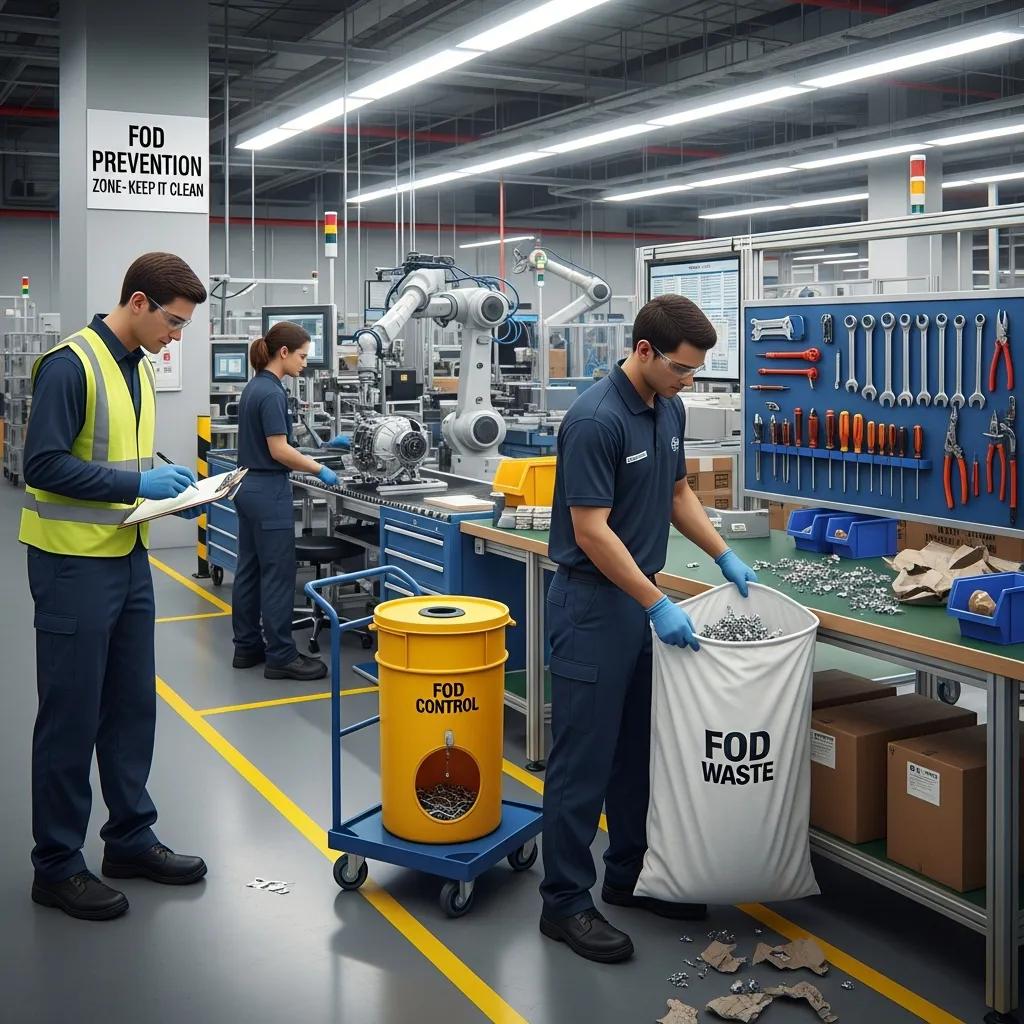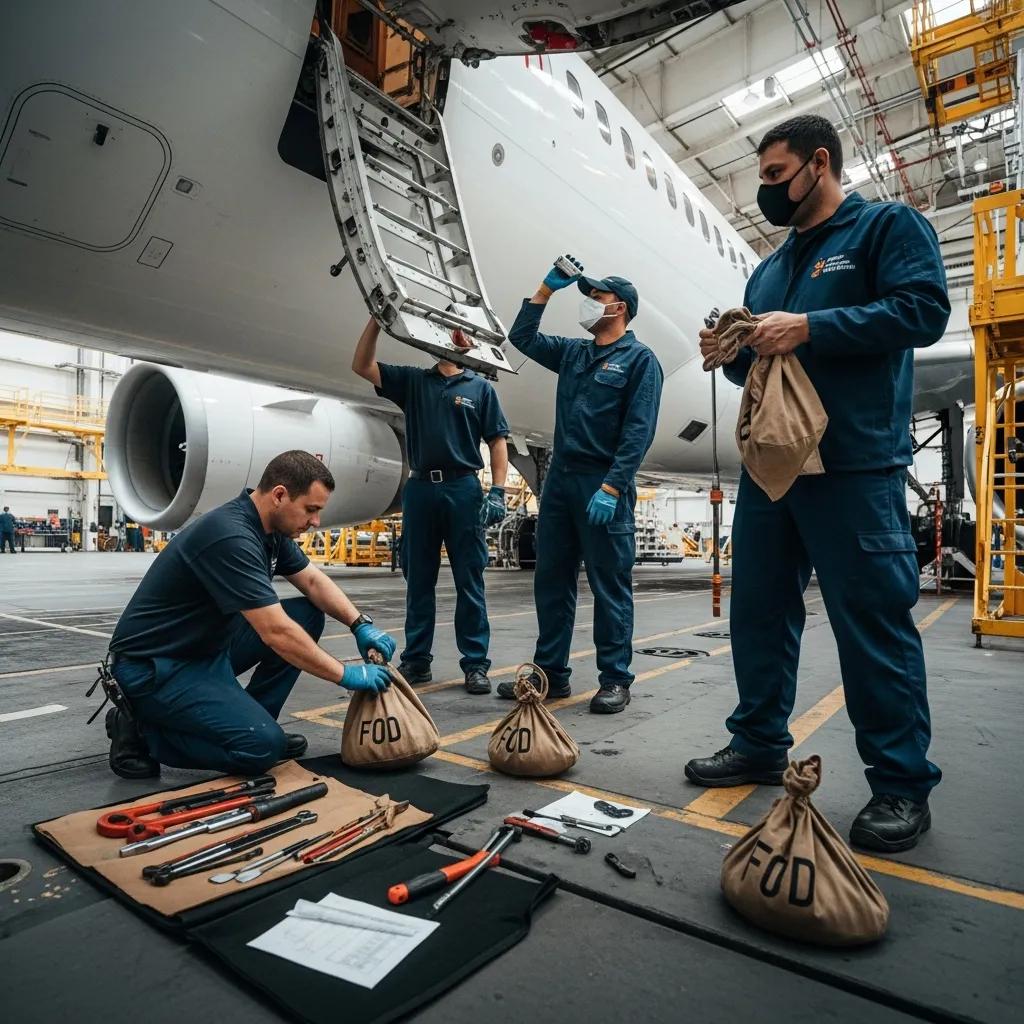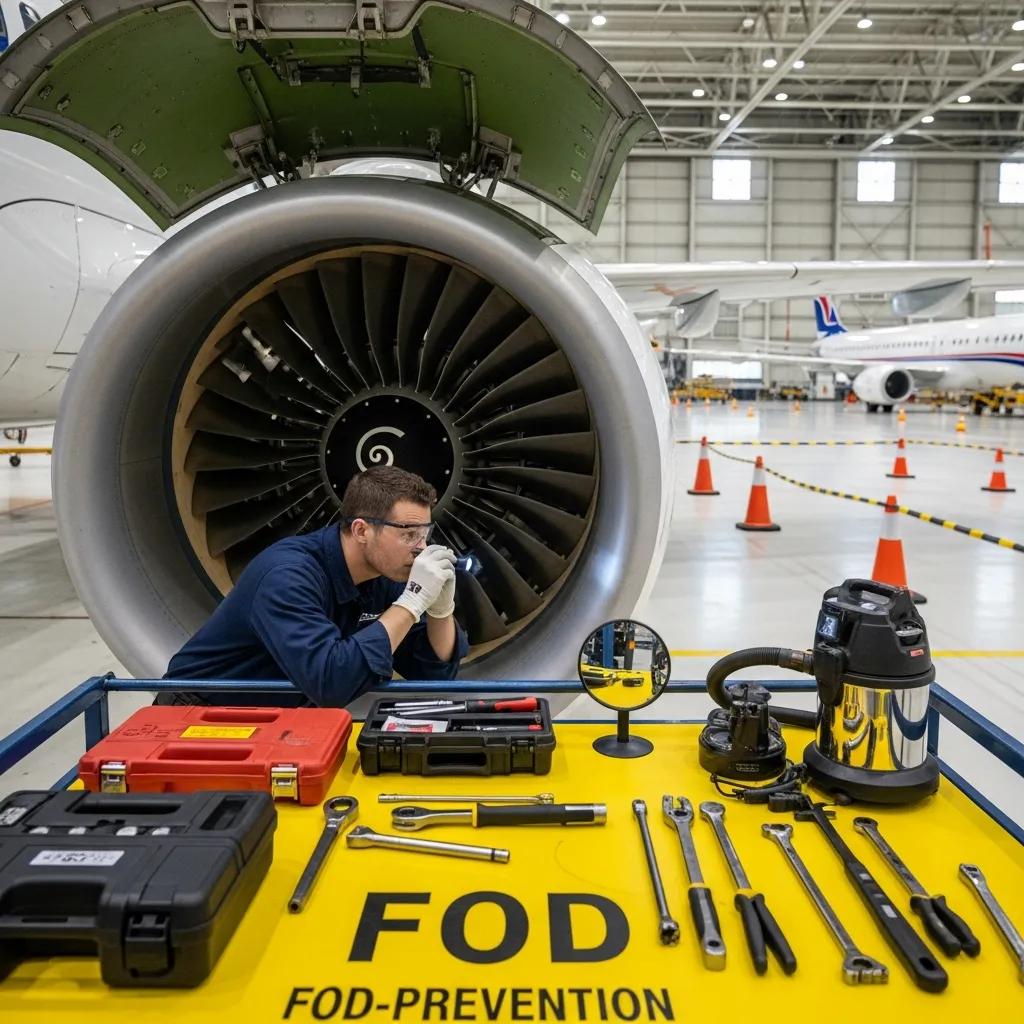
Build an Effective FOD Prevention Program: Best Practices

Building an effective Foreign Object Debris (FOD) prevention program is not just a safety measure but a critical operational imperative for aviation and industrial facilities. The presence of debris can lead to catastrophic safety hazards, costly equipment damage, and significant operational inefficiencies. This comprehensive guide delves deeply into best practices for establishing a robust FOD prevention program, emphasizing advanced training methodologies, rigorous inspections, strategic product integration, and cultivating an unwavering culture of safety and accountability. Readers will gain authoritative insights into implementing sophisticated strategies that not only mitigate risks but also drive measurable improvements in operational reliability and compliance. The article covers essential components such as tailored training programs, systematic inspections, and the integration of cutting-edge FOD control products. By addressing these critical areas with precision and expertise, facilities can achieve substantial reductions in FOD-related incidents and elevate their safety standards to industry-leading levels.

Best practices for building an effective Foreign Object Debris (FOD) prevention program in aviation and industrial facilities include:

Establishing a successful FOD prevention program demands a comprehensive, multi-layered approach that integrates proven best practices with continuous improvement mechanisms. These practices form a strategic framework for proactively identifying, managing, and mitigating the multifaceted risks associated with foreign object debris. The following sections provide an in-depth exploration of advanced strategies and operational protocols that can be employed to significantly enhance FOD prevention efforts and embed resilience into facility operations.

Training

Employees participating in a training session on Foreign Object Debris prevention

Training is the foundational pillar of any authoritative FOD prevention program. Developing comprehensive, role-specific training curricula ensures that all personnel—from frontline workers to management—fully comprehend the critical importance of FOD management and their individual responsibilities in preventing debris-related incidents. Advanced training should incorporate scenario-based learning, hazard recognition techniques, and the latest industry standards to empower employees with practical skills and situational awareness. Regular refresher courses, augmented by visual awareness campaigns and digital learning tools, reinforce the imperative of maintaining a debris-free environment and foster a proactive mindset toward FOD risk mitigation.

Routine Inspections

Routine inspections are indispensable for the early detection and remediation of potential FOD hazards. Facilities must implement a rigorous inspection schedule that includes detailed FOD walkdowns, tool accountability audits, and environmental assessments. Inspection protocols should be standardized and documented to ensure consistency, thoroughness, and traceability. Employing checklists aligned with regulatory requirements and best practices enhances the reliability of inspections. Leveraging technology such as mobile inspection apps and real-time reporting systems can further optimize the inspection process, enabling swift corrective actions and continuous monitoring of FOD risk factors.

Tool Organization

Effective tool organization is a critical control measure to prevent FOD incidents. Implementing robust tool management systems—such as shadow boards, tool tethering, and color-coded tool buckets—ensures that all tools and equipment are accounted for and securely stored. The use of self-closing pouches and magnetic trays can further reduce the risk of tool loss or misplacement. Beyond safety, these organizational strategies enhance operational efficiency by minimizing downtime caused by missing tools and streamlining maintenance workflows.

FOD Control Products

Integrating specialized FOD control products into the prevention program is essential for comprehensive debris management. Industry-leading products—including FOD bags, cans, tapes, and stickers—are engineered to contain, identify, and mitigate debris risks effectively. These products are designed with durable materials and ergonomic features to withstand harsh operational environments while facilitating ease of use. Their strategic deployment across operational zones ensures that debris is promptly collected and contained, significantly reducing the potential for safety incidents and equipment damage.

Product Type Usage Context Safety Benefits
FOD Bags Collection of debris during operations Prevents debris from causing damage
FOD Cans Storage of tools and equipment Reduces risk of tools being left behind
FOD Tapes Marking hazardous areas Increases visibility of potential hazards
FOD Stickers Reminders for personnel Promotes awareness and accountability

The strategic integration of these products into daily operations, supported by training on their correct usage, can dramatically enhance the effectiveness and reliability of a FOD prevention program.

Collaboration

Cross-departmental collaboration is vital for embedding a culture of safety and ensuring the holistic success of FOD prevention initiatives. Establishing clear communication channels and fostering interdepartmental partnerships enable the sharing of best practices, incident learnings, and innovative solutions. Regular interdisciplinary meetings, joint training sessions, and collaborative audits reinforce collective ownership of FOD management and drive continuous improvement across organizational boundaries.

Compliance with Standards

Strict adherence to industry and regulatory standards is non-negotiable for maintaining a safe and compliant working environment. Facilities must stay abreast of evolving guidelines from authoritative bodies such as the FAA, ICAO, and OSHA, integrating these requirements into their FOD prevention frameworks. Conducting regular compliance audits and gap analyses ensures that programs remain aligned with best practices and regulatory mandates, thereby minimizing legal and operational risks.

Continuous Monitoring

Implementing continuous monitoring systems is essential for data-driven FOD risk management. Facilities should deploy advanced data collection and analysis tools to track FOD incidents, identify emerging trends, and evaluate the effectiveness of prevention strategies. Utilizing predictive analytics and real-time reporting enables proactive interventions and informed decision-making, fostering a dynamic and responsive FOD management environment.

Culture of Safety

Developing and sustaining a pervasive culture of safety is the cornerstone of enduring FOD prevention success. Organizations must cultivate an environment where safety is deeply ingrained in every operational aspect and every team member feels personally accountable for FOD management. This cultural transformation is achieved through leadership commitment, transparent communication, recognition programs, and continuous engagement initiatives that empower employees to act as vigilant stewards of safety.

Advanced Technologies

Leveraging cutting-edge technologies can revolutionize FOD management by enhancing detection accuracy and operational efficiency. Innovations such as real-time data analytics platforms, automated debris detection systems using AI and machine vision, and integrated sensor networks provide unparalleled visibility into FOD risks. Adoption of these technologies enables facilities to transition from reactive to predictive FOD management, significantly reducing incident rates and operational disruptions.

Waste Management

Robust waste management practices are fundamental to preventing debris accumulation and environmental contamination. Facilities should implement comprehensive waste segregation, containment, and disposal protocols, supported by regular waste audits and employee training. Clear procedures for debris containment and timely removal minimize the potential for FOD hazards and contribute to overall site cleanliness and safety.

What Is Foreign Object Debris and Why Is FOD Risk Management Critical?

Foreign Object Debris (FOD) encompasses any object that is misplaced or foreign to a designated operational area, posing significant safety and operational risks. In aviation and industrial contexts, FOD can cause catastrophic equipment failures, operational delays, and severe safety incidents, including injury or loss of life. Effective FOD risk management is therefore critical not only for safeguarding personnel and assets but also for ensuring uninterrupted operational continuity and regulatory compliance.

Defining Foreign Object Debris in Aviation and Industrial Contexts

In aviation, FOD includes tools, hardware, parts, and miscellaneous debris that may be inadvertently left on runways, taxiways, or aircraft surfaces, potentially causing engine ingestion or structural damage. In industrial environments, FOD may consist of packaging materials, loose tools, fasteners, or other foreign objects that can interfere with machinery operation or create hazards for personnel. A precise understanding of the types and sources of FOD specific to each operational context is essential for tailoring effective prevention and mitigation strategies.

Understanding the Safety and Operational Impacts of FOD

The presence of FOD has profound safety and operational consequences. Debris can cause severe engine damage, leading to costly repairs, extended downtime, and compromised flight safety. Additionally, FOD-related incidents increase maintenance burdens, elevate injury risks, and can result in regulatory penalties. By implementing rigorous FOD management, organizations can significantly reduce these risks, enhance safety outcomes, and improve operational reliability and cost efficiency.

How to Conduct Comprehensive FOD Inspection Procedures for Effective Detection

Comprehensive FOD inspection procedures are vital for the timely detection and management of debris. Facilities must establish detailed, standardized protocols encompassing routine inspections, FOD walkdowns, and tool accountability checks. These procedures should be supported by thorough documentation, use of checklists, and integration of technological aids such as mobile inspection devices and digital reporting platforms. Ensuring that inspections are systematic, frequent, and data-driven maximizes their effectiveness in preventing FOD incidents.

Step-by-Step FOD Inspection Protocols for Ground Support and Facility Teams

Ground support and facility teams should rigorously adhere to the following inspection protocols to ensure comprehensive FOD detection and control:

  • Routine Inspections: Conduct scheduled, systematic inspections of all designated operational areas to identify and remediate potential FOD hazards promptly.
  • FOD Walkdowns: Perform detailed walkdowns of runways, taxiways, aprons, and work zones, employing standardized checklists and reporting mechanisms to ensure no debris is overlooked.
  • Tool Accountability Checks: Implement stringent tool control procedures, including pre- and post-task tool inventories, to guarantee all tools and equipment are accounted for and properly stored.

Utilizing Detection Tools: FOD Bags, Cans, Tapes, and Stickers

Various Foreign Object Debris control products including bags, cans, tapes, and stickers

Detection tools are indispensable components of an effective FOD management system. Products such as FOD bags, cans, tapes, and stickers are specifically designed to facilitate the identification, containment, and communication of debris-related risks. Their strategic deployment enhances situational awareness, promotes accountability among personnel, and streamlines debris collection and disposal processes, thereby reinforcing the overall integrity of FOD prevention efforts.

What Are the Essential Components of a Structured FOD Prevention Program?

A structured FOD prevention program integrates multiple essential components to ensure comprehensive risk mitigation and operational excellence. These include:

  • Inspection and Detection: Implementing regular, systematic inspections supported by advanced detection tools to identify and address potential hazards promptly.
  • Training and Awareness: Delivering targeted, ongoing training programs that educate personnel on FOD risks, prevention techniques, and compliance requirements.
  • Reporting and Documentation: Establishing clear, standardized protocols for reporting, documenting, and analyzing FOD incidents to drive continuous improvement and accountability.

Integrating FOD Control Products into Safety and Compliance Protocols

Effective integration of FOD control products into safety and compliance protocols is critical for operational success. Facilities should conduct thorough needs assessments to select products that align with their specific operational challenges and regulatory obligations. Comprehensive training on the correct use and maintenance of these products ensures maximum efficacy. Embedding product usage into standard operating procedures and compliance audits further reinforces their role in sustaining a debris-free environment.

Developing Standard Operating Procedures for Debris Containment and Removal

Developing clear, detailed standard operating procedures (SOPs) for debris containment and removal is essential for maintaining operational safety and efficiency. SOPs should delineate specific steps for identifying, isolating, collecting, and disposing of FOD, incorporating best practices and regulatory requirements. Regular training and drills should be conducted to ensure personnel are proficient in these procedures, fostering consistency and rapid response capabilities.

How to Train Staff and Ensure Compliance with Aviation Safety Protocols

Training staff on aviation safety protocols is a critical enabler of compliance and effective FOD management. Comprehensive training programs must cover the rationale behind FOD prevention, detailed role-specific responsibilities, and practical instruction on the use of detection and control tools. Incorporating scenario-based exercises and assessments ensures knowledge retention and application. Regular refresher courses and compliance audits help maintain high standards and adapt to evolving regulatory landscapes.

Best Practices for FOD Prevention Training and Awareness Programs

Implementing best practices in FOD prevention training and awareness programs is vital for sustained success. Key practices include:

  • Regular Refresher Courses: Scheduling periodic training updates to reinforce critical FOD management principles and adapt to operational changes.
  • Visual Awareness Training: Utilizing impactful visual aids, signage, and digital reminders to maintain high levels of situational awareness among personnel.
  • Role-Specific Training: Customizing training content to address the unique responsibilities and challenges faced by different roles within the organization.

Monitoring and Auditing Compliance to Reduce FOD Incidents

Robust monitoring and auditing mechanisms are essential for ensuring adherence to FOD prevention protocols and reducing incident rates. Facilities should implement routine inspections, compliance tracking, and documentation reviews to verify procedural compliance. Conducting regular audits, both internal and external, helps identify gaps, enforce accountability, and drive continuous program enhancements, thereby strengthening the overall FOD management framework.

Which FOD Prevention Products Offer the Best Solutions for Aviation and Industrial Facilities?

A range of specialized FOD prevention products is available to enhance safety and operational efficiency in aviation and industrial settings. These include:

  • FOD Bags: Engineered for efficient collection and containment of debris during operations.
  • FOD Cans: Designed for secure storage of tools and equipment to prevent loss and misplacement.
  • FOD Tapes: High-visibility tapes used to mark hazardous areas and delineate safe zones.
  • FOD Stickers: Adhesive reminders that promote personnel awareness and reinforce accountability.

Comparing FOD Bags, Cans, Tapes, and Stickers: Specifications and Usage

Selecting the appropriate FOD prevention products requires careful consideration of their specifications and operational contexts. The following table provides a detailed comparison of key product attributes and applications.

Product Type Specifications Usage Context
FOD Bags Durable, lightweight, tear-resistant materials Collection of debris during operations
FOD Cans Sturdy, portable, corrosion-resistant Storage of tools and equipment
FOD Tapes High-visibility, weather-resistant Marking hazardous areas
FOD Stickers Adhesive, eye-catching, durable Reminders for personnel

This comparison underscores the importance of selecting products that meet the specific durability, visibility, and usability requirements of the operational environment to maximize FOD management effectiveness.

Material and Safety Benefits of Purpose-Built FOD Control Products

Purpose-built FOD control products offer significant material and safety advantages. Constructed from high-grade, resilient materials, these products withstand the demanding conditions of aviation and industrial environments, ensuring longevity and consistent performance. Their specialized design features—such as reinforced seams, secure closures, and high-visibility markings—enhance safety by effectively containing debris, preventing accidental release, and facilitating easy identification. These benefits collectively contribute to reducing FOD-related risks and supporting regulatory compliance.

What Do Recent Case Studies and Industry Statistics Reveal About FOD Prevention Effectiveness?

Recent case studies and industry statistics provide compelling evidence of the effectiveness of comprehensive FOD prevention programs. Facilities that have implemented structured FOD management strategies report substantial reductions in incident rates, maintenance costs, and operational disruptions. These outcomes demonstrate the tangible return on investment of proactive FOD control measures and highlight best practices that can be replicated across the industry to elevate safety and efficiency standards.

Analyzing 2026 FAA Data on FOD Incident Reductions with Prevention Programs

The 2026 FAA data reveals a significant decline in FOD incidents at facilities that have adopted rigorous, structured prevention programs. This data underscores the critical role of comprehensive FOD management in enhancing aviation safety and operational performance. The analysis highlights key program elements—such as advanced training, technology integration, and continuous monitoring—that correlate strongly with successful incident reduction outcomes.

Lessons Learned from Aviation and Industrial Facility FOD Control Implementations

Insights gleaned from FOD control implementations across aviation and industrial facilities reveal several pivotal lessons. Successful programs consistently combine robust training, cross-functional collaboration, and the strategic deployment of specialized products. Moreover, organizations that prioritize cultivating a pervasive culture of safety and accountability experience superior FOD management outcomes. These lessons inform best practices and provide a roadmap for facilities seeking to elevate their FOD prevention capabilities.

How to Implement and Monitor a Continuous Improvement Cycle for FOD Prevention Programs?

Implementing a continuous improvement cycle for FOD prevention programs involves a systematic, iterative approach encompassing the following key steps:

  • Planning and Training: Define clear, measurable goals and deliver comprehensive training to ensure all personnel understand their roles and responsibilities within the FOD prevention framework.
  • Documentation and Review: Maintain meticulous records of FOD incidents, inspection results, and corrective actions. Regularly review these records to assess program effectiveness and identify improvement opportunities.
  • Feedback and Adaptation: Foster an open feedback culture that encourages personnel to report observations and suggest enhancements. Adapt strategies and procedures based on data-driven insights and lessons learned to continuously refine the program.

By rigorously applying these steps, organizations can sustain and enhance their FOD prevention efforts, ensuring ongoing safety, compliance, and operational excellence.