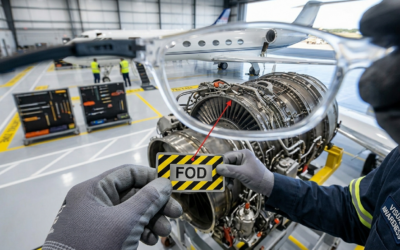

Foreign Object Debris (FOD) poses a significant risk to aviation safety, affecting aircraft performance and ground operations. Ground crews play a crucial role in identifying, managing, and preventing FOD to ensure safe and efficient airport environments. One of the key tools in FOD management is the use of FOD cans—specialized containers designed to collect loose debris and small objects. This article provides an in-depth look at the various types of FOD cans used in aviation, their features, and best practices for ground crews to maximize their effectiveness in maintaining safe operational areas.
What Are FOD Cans?
FOD cans are designated containers placed strategically around airport operational areas to collect foreign object debris such as loose hardware, small parts, trash, and other materials that could pose hazards to aircraft. They serve as convenient disposal points for ground personnel, helping to prevent debris from accumulating on runways, taxiways, and aprons. Proper use and maintenance of FOD cans are essential components of an effective FOD control program. According to the Federal Aviation Administration (FAA), effective FOD management significantly reduces the risk of foreign object damage to aircraft engines and structures (FAA FOD Program).
Common Types of FOD Cans Used in Aviation
- Standard Metal FOD Cans: These are durable, weather-resistant metal containers typically painted bright yellow or orange for high visibility. They often feature a wide opening for easy disposal and a secure lid to prevent debris from blowing out. Their robust construction makes them suitable for high-traffic areas.
- Plastic FOD Cans: Made from heavy-duty plastic, these cans are lightweight and resistant to corrosion. They are often used in areas where metal containers might be prone to rust or where lighter equipment is preferred. Plastic FOD cans usually have handles for easy transport and emptying.
- Portable FOD Cans: Designed for mobility, these smaller cans come with handles or wheels, allowing ground crews to carry them during inspections or maintenance tasks. Portable FOD cans enable crews to collect debris efficiently across large areas without relying solely on fixed containers.
- FOD Bags: Flexible, durable bags made from reinforced fabric or mesh materials. FOD bags are often used in conjunction with fixed cans or as standalone collection tools during cleanup operations. Their collapsible nature makes storage and transport convenient.
- Specialized FOD Cans with Sorting Compartments: Some FOD cans feature multiple compartments or sections to separate different types of debris, such as metal parts, trash, and organic material. These cans facilitate recycling and proper disposal, supporting environmental and safety goals.
Key Features to Look for in FOD Cans
- Visibility: Bright colors and reflective markings help ensure FOD cans are easily seen by ground personnel and vehicle operators.
- Durability: Materials should withstand harsh weather conditions, impacts, and frequent handling without damage.
- Ease of Use: Wide openings, secure lids, and ergonomic handles facilitate quick and safe debris disposal.
- Stability: Weighted bases or anchoring options prevent cans from tipping over or being displaced by wind or vehicle movement.
- Maintenance: Designs that allow for easy emptying and cleaning help maintain hygiene and operational efficiency.
Best Practices for Ground Crews Using FOD Cans
- Strategic Placement: Position FOD cans in high-traffic and high-risk areas such as near maintenance zones, aircraft parking spots, and along taxiways.
- Regular Inspection and Emptying: Check FOD cans frequently to prevent overflow and ensure they remain functional and clean.
- Training and Awareness: Educate all ground personnel on the importance of using FOD cans and proper disposal techniques.
- Integration with FOD Programs: Incorporate FOD can usage into broader FOD management protocols, including reporting and cleanup procedures.
- Use of Portable Cans and Bags: Equip crews with portable options to collect debris during inspections and maintenance activities efficiently.
How FOD Cans Support Overall FOD Management
FOD cans are a simple yet effective tool that complements other FOD detection and removal methods such as sweepers, vacuum machines, and detection systems. By providing designated disposal points, FOD cans reduce the likelihood of debris being left on operational surfaces. Their use fosters a culture of cleanliness and safety among ground crews, contributing to the prevention of costly damage and operational disruptions. The International Air Transport Association (IATA) emphasizes that comprehensive FOD control programs, including the use of FOD cans, are critical for maintaining operational safety and efficiency (IATA FOD Management).
Summary Table: Types of FOD Cans and Their Characteristics
| Type of FOD Can | Material and Features | Typical Use |
|---|---|---|
| Standard Metal FOD Cans | Durable metal, bright colors, secure lids | Fixed locations in high-traffic areas |
| Plastic FOD Cans | Lightweight, corrosion-resistant, portable handles | Areas prone to rust or requiring lighter containers |
| Portable FOD Cans | Small size, handles or wheels for mobility | Mobile debris collection during inspections |
| FOD Bags | Flexible, reinforced fabric or mesh | Supplemental collection during cleanup operations |
| Specialized Sorting FOD Cans | Multiple compartments for debris separation | Facilitating recycling and proper disposal |
Frequently Asked Questions
How often should FOD cans be emptied?
FOD cans should be inspected and emptied regularly throughout the day, especially in busy operational areas, to prevent overflow and maintain effectiveness. The FAA recommends routine checks as part of daily FOD control procedures (FAA FOD Program).
Can FOD cans be used in all weather conditions?
Yes, most FOD cans are designed to withstand various weather conditions, but it is important to select materials and designs suitable for the specific airport environment. For example, metal cans with corrosion-resistant coatings or plastic cans are preferred in harsh climates (Skybrary on FOD).
Are portable FOD cans necessary?
Portable FOD cans enhance flexibility and efficiency by allowing ground crews to collect debris during inspections and maintenance tasks away from fixed disposal points. This mobility supports thorough FOD control across large airport areas (IATA FOD Management).
How do FOD cans contribute to safety?
By providing designated disposal points, FOD cans reduce debris accumulation on operational surfaces, lowering the risk of damage to aircraft and improving overall airport safety. Studies have shown that effective FOD management reduces incidents of foreign object damage, which can lead to costly repairs and safety hazards (FAA FOD Program).
Conclusion
FOD cans are a crucial component of aviation FOD management, providing practical solutions for debris collection and disposal. Understanding the different types of FOD cans and their appropriate use enables ground crews to maintain cleaner, safer operational environments. Through strategic placement, regular maintenance, and proper training, FOD cans help minimize hazards, protect aircraft, and support efficient airport operations. Ground personnel equipped with the right FOD cans and the necessary knowledge play a vital role in maintaining aviation safety and operational integrity.