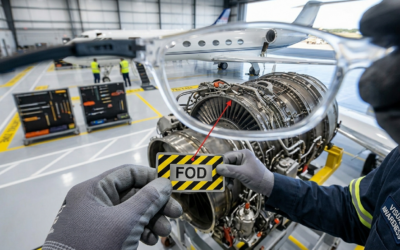
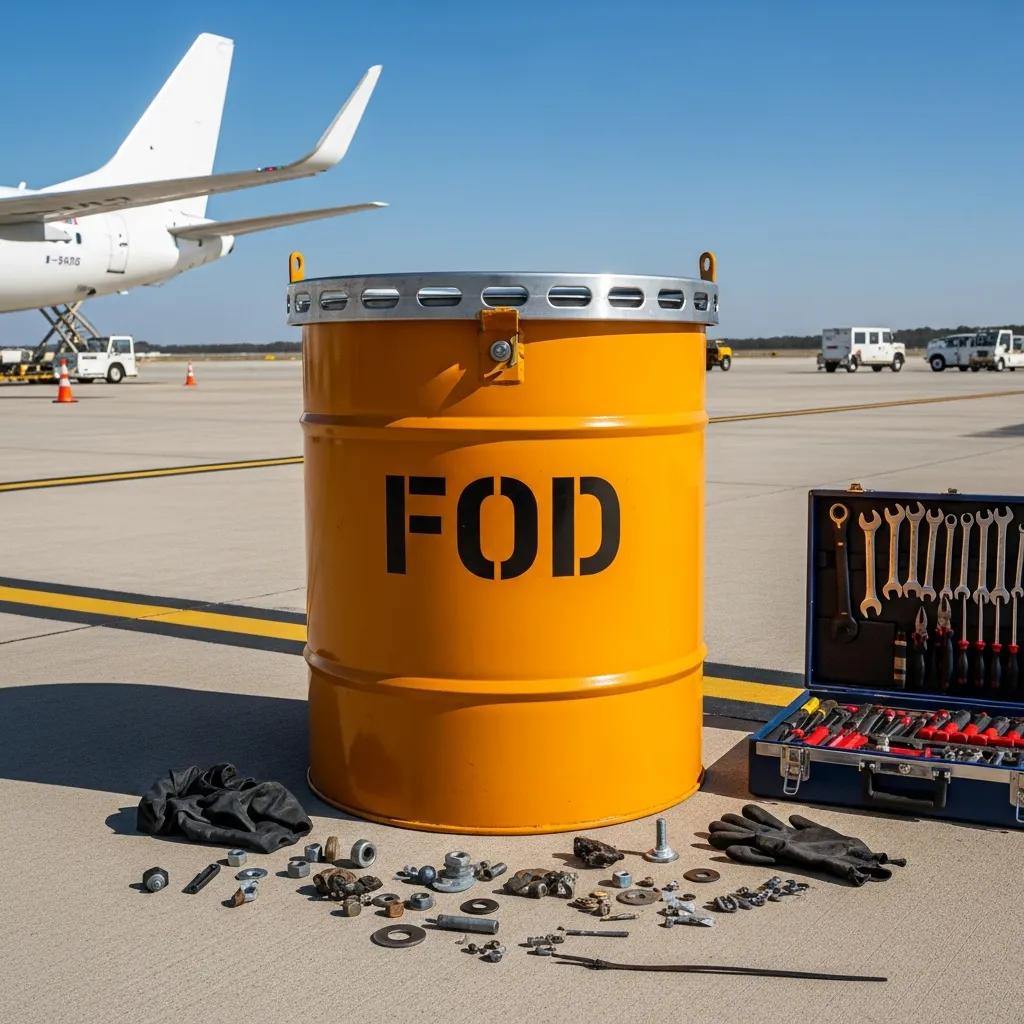
Foreign Object Debris (FOD) poses a significant threat to aircraft safety, making the use of quality FOD collection cans essential in aviation environments. These specialized containers are designed to safely collect and contain debris that could potentially damage aircraft, ensuring operational safety and compliance with aviation standards. In this article, we will explore the critical nature of FOD, its impact on aircraft maintenance, and how quality FOD collection cans enhance safety. We will also discuss best practices for their use and maintenance, ensuring that aviation professionals are well-equipped to manage FOD effectively.
What Is Foreign Object Debris and Why Is It a Critical Threat to Aircraft Safety?
Foreign Object Debris (FOD) refers to any object that does not belong in the aircraft operating environment and can cause damage to aircraft systems or personnel. Examples of FOD include tools left behind during maintenance, loose components, and environmental debris. The risks associated with FOD are substantial, as they can lead to costly repairs, operational delays, and even catastrophic accidents. Understanding the nature of FOD is crucial for aviation safety, as it underscores the importance of effective debris management strategies.
Powell Pack Products specializes in FOD prevention products tailored for the aerospace and aviation sectors, including the U.S. military and defense contractors. Their primary product, the FOD collection can, is designed to safely collect and contain debris that could damage aircraft, emphasizing durability and compliance with aviation safety standards.
Further research has evaluated the effectiveness of various equipment types used to prevent FOD, highlighting both successes and areas for improvement in current prevention strategies.
Evaluating FOD Collection Equipment Effectiveness This project investigated the effectiveness of several types of support equipment commonly used to prevent Foreign Object Debris FOD from damaging aircraft engines and structures. All of the equipment investigated was designed to collect FOD from the flightline surface, thereby reducing damage risk. The study examined motorized flightline sweepers, towable FOD sweepers FOD-busters, and magnetic bars. A series of site visits was conducted to operational units in order to get user feedback on the effectiveness of the various pieces of equipment. Additionally, a limited controlled experiment was conducted at Wright-Patterson AFB to quantitatively evaluate each of the equipment types. The user comments and the quantitative evaluation both identified serious shortfalls in the Air Forces current FOD prevention equipment, both in terms of effectiveness and reliability. Several possible actions to address these shortfalls are listed in the report. Prevention effectiveness foreign object debris study (pre-fod), 1998
How Does Foreign Object Debris Impact Aircraft Maintenance and Operations?
FOD significantly impacts aircraft maintenance and operations by posing risks to equipment integrity and increasing operational costs. When debris enters critical systems, it can lead to malfunctions or failures, necessitating extensive repairs. The cost implications of FOD incidents can be staggering, with estimates suggesting that FOD-related damages can reach millions of dollars annually for the aviation industry. Therefore, effective FOD containment is not just a safety measure; it is a financial imperative for airlines and maintenance organizations.
What Are the Common Types of Debris in Aviation Environments?

In aviation environments, common types of debris include:
-
Tools Left Behind: Maintenance personnel may inadvertently leave tools on or near aircraft, posing a significant risk.
-
Loose Components: Parts that become detached during operations can create hazardous situations.
-
Environmental Debris: Items such as rocks, dirt, and vegetation can also contribute to FOD.
Recognizing these common debris types is essential for implementing effective FOD management strategies.
How Do Quality FOD Collection Cans Enhance Aircraft Maintenance Safety?
Quality FOD collection cans play a vital role in enhancing aircraft maintenance safety by providing a reliable means of debris containment. These cans are designed to securely hold tools and debris, preventing accidents and ensuring compliance with safety regulations. By utilizing FOD collection cans, maintenance teams can significantly reduce the risk of FOD-related incidents, thereby improving overall operational safety.
|
Feature
|
Benefit
|
Impact Level
|
|---|---|---|
|
Durable Materials
|
Ensures long-lasting use
|
High
|
|
Compliance with Safety Standards
|
Meets aviation regulations
|
High
|
|
Easy to Use Design
|
Facilitates quick debris collection
|
Medium
|
This table illustrates how the design features of quality FOD collection cans contribute to enhanced safety in aircraft maintenance.
What Design Features Ensure Effective Debris Containment in FOD Collection Cans?
Effective FOD collection cans incorporate several design features that ensure optimal debris containment. Key features include:
-
Material Durability: High-quality materials resist wear and tear, ensuring longevity.
-
Size and Capacity: Adequate size allows for the collection of various debris types without overflow.
-
Ease of Use: User-friendly designs facilitate quick and efficient debris disposal.
These features collectively enhance the effectiveness of FOD collection cans in aviation environments.
How Do FOD Collection Systems Integrate with Military and Commercial Aviation Protocols?
FOD collection systems are integral to both military and commercial aviation protocols. They are designed to comply with stringent safety standards and operational guidelines, ensuring that all debris is managed effectively. Military aviation, in particular, emphasizes the importance of FOD prevention due to the high stakes involved in operational readiness and safety. By integrating FOD collection systems into standard operating procedures, aviation organizations can maintain high safety standards and operational efficiency.
What Are the Best Practices for Using and Maintaining FOD Collection Cans?

To maximize the effectiveness of FOD collection cans, aviation professionals should adhere to best practices, including:
-
Regular Inspections: Conduct routine checks to ensure cans are in good condition and free from damage.
-
Proper Storage: Store cans in designated areas to prevent accidental damage or misuse.
-
Training Personnel: Ensure that all staff are trained in the proper use and maintenance of FOD collection cans.
Implementing these best practices can significantly enhance the effectiveness of FOD management efforts.
How Should FOD Collection Cans Be Inspected and Serviced for Optimal Performance?
Regular inspection and servicing of FOD collection cans are essential for maintaining their performance. Inspections should focus on:
-
Inspection Frequency: Establish a routine schedule for inspections to identify wear and tear.
-
Servicing Procedures: Follow manufacturer guidelines for servicing to ensure optimal functionality.
-
Performance Metrics: Track the effectiveness of FOD collection efforts to identify areas for improvement.
By adhering to these guidelines, aviation organizations can ensure that their FOD collection systems remain effective and reliable.
What Are the Recommended Procedures for Safe Disposal and Replacement?
Safe disposal and replacement of FOD collection cans are critical to maintaining a clean and safe aviation environment. Recommended procedures include:
-
Disposal Methods: Follow local regulations for disposing of collected debris.
-
Replacement Timing: Replace cans when they show signs of wear or damage to ensure continued effectiveness.
-
Environmental Considerations: Consider eco-friendly disposal options to minimize environmental impact.
These procedures help maintain safety and compliance in aviation operations.
Which Industry Standards and Certifications Validate the Quality of FOD Collection?
Industry standards and certifications play a crucial role in validating the quality of FOD collection cans. Compliance with aviation safety regulations ensures that these products meet the necessary performance criteria. Certifications from recognized bodies assure aviation professionals that the products they use are reliable and effective.
How Do Aviation Safety Standards Influence FOD Prevention Product Specifications?
Aviation safety standards significantly influence the specifications of FOD prevention products. These standards dictate the materials, design, and performance criteria that products must meet to ensure safety and effectiveness. By adhering to these standards, manufacturers can produce FOD collection cans that provide optimal protection against debris-related incidents.
What Role Does Company Experience and Certification Play in Product Reliability?
The experience and certification of a company play a vital role in the reliability of FOD prevention products. Companies with a proven track record in the aviation industry are more likely to produce high-quality products that meet stringent safety standards. Certifications from recognized organizations further enhance the credibility of these products, assuring aviation professionals regarding their effectiveness and reliability.