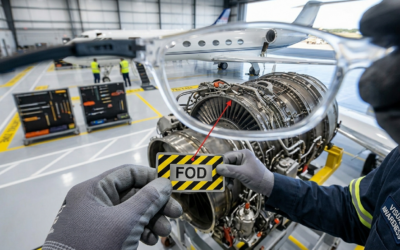
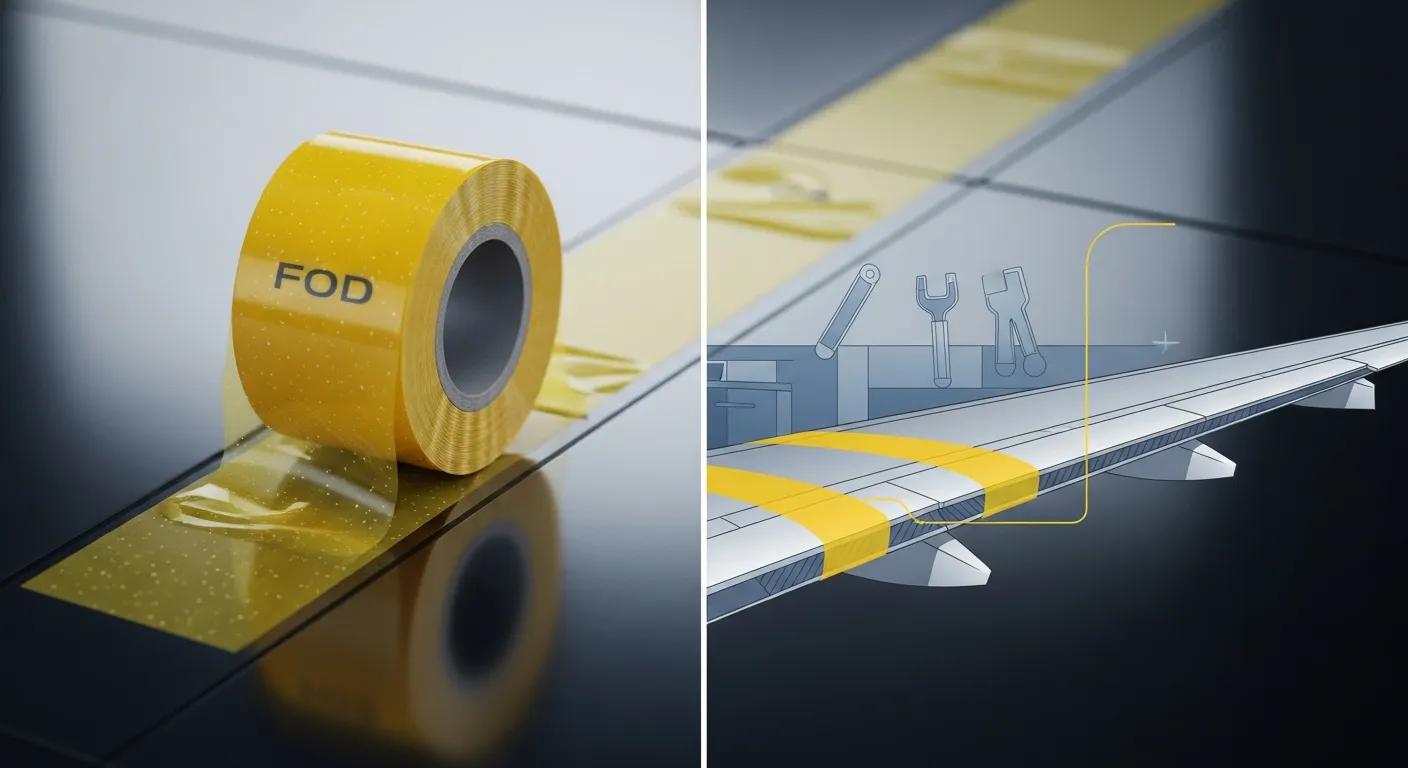
Foreign Object Debris (FOD) tape is a critical safety tool used in the aviation industry to prevent damage caused by loose debris on aircraft surfaces and in maintenance areas. FOD can include anything from small screws and bolts to dirt and other particles that, if left unchecked, can cause serious harm to aircraft engines, systems, and personnel. This article explains what FOD tape is, why it is essential in aviation, how it is used, and the benefits it provides to ensure safe and efficient aircraft operations.
Why Is FOD Tape Important in Aviation?
FOD tape serves as a protective barrier that covers openings, vents, and sensitive components on aircraft during maintenance, storage, or transport. By sealing these areas, the tape prevents foreign objects from entering and causing damage or operational failures. In aviation, even small debris can lead to costly repairs, flight delays, or safety hazards, making FOD prevention a top priority.
How Does FOD Tape Help Maintain Aircraft Safety?
FOD tape is designed to adhere securely to aircraft surfaces while being easy to remove without leaving residue. It blocks access points where debris could enter, such as engine inlets, pitot tubes, static ports, and other critical openings. Proper use of FOD tape reduces the risk of contamination, protects sensitive instruments, and helps maintain the integrity of aircraft systems.
What Are the Characteristics of Effective FOD Tape?
Effective FOD tape must be durable, weather-resistant, and compatible with aircraft materials. It should withstand exposure to sunlight, moisture, and temperature variations without degrading. Additionally, the tape should be brightly colored or marked to ensure visibility, making it easy for maintenance crews to identify and remove before flight.
FOD Prevention and Control in Aviation Maintenance
Implementing comprehensive FOD control measures, including the use of specialized tapes, is essential to minimize risks and maintain operational safety.
Aviation Safety Journal: Best Practices in FOD Management, 2023
How Is FOD Tape Used by Aviation Professionals?
Aviation maintenance teams apply FOD tape during routine inspections, repairs, and when aircraft are parked or transported. The tape covers all openings that could allow debris ingress. It is part of a broader FOD control program that includes regular cleaning, inspections, and personnel training.
What Procedures Ensure Proper Application of FOD Tape?
Technicians follow strict guidelines to clean surfaces before applying tape, ensuring strong adhesion. They also document tape placement and removal as part of maintenance checklists to prevent accidental oversight. Training emphasizes the importance of thorough FOD control to avoid operational risks.
Ongoing education and adherence to industry standards help maintain high levels of safety and effectiveness in FOD tape use.
Training and Procedures for FOD Control
Effective FOD management relies on standardized procedures, regular training, and accountability among maintenance personnel.
International Civil Aviation Organization (ICAO) Safety Reports, 2022
What Are the Benefits of Using FOD Tape in Aviation?
Using FOD tape helps reduce maintenance costs by preventing damage, minimizes aircraft downtime, and enhances overall flight safety. It also supports compliance with regulatory requirements and industry best practices for aircraft maintenance and ground operations.
Common Applications of FOD Tape in Aviation
FOD tape is versatile and used in various scenarios to protect aircraft components:
- Engine Inlet Protection: Covers engine openings to prevent debris ingestion.
- Sensor and Probe Coverage: Shields pitot tubes, static ports, and other sensors.
- Landing Gear and Wheel Well Sealing: Prevents debris accumulation in critical areas.
- Storage and Transport Safeguards: Protects aircraft during periods of inactivity or movement.
Is FOD Tape Used Only on Aircraft?
While primarily used on aircraft, FOD tape is also employed in aviation ground support equipment and maintenance facilities to control debris and maintain clean working environments.
How FOD Tape Supports Aviation Safety Programs
FOD tape is an integral part of comprehensive FOD prevention programs that include inspections, cleaning protocols, and personnel awareness. These programs aim to eliminate debris hazards and promote a culture of safety within aviation operations.
What Role Does FOD Tape Play in Regulatory Compliance?
Regulatory bodies such as the Federal Aviation Administration (FAA) and the International Civil Aviation Organization (ICAO) emphasize FOD control as a safety requirement. Proper use of FOD tape helps operators meet these standards and avoid penalties or operational restrictions.
How Do Maintenance Teams Track FOD Tape Usage?
Maintenance logs and checklists include FOD tape application and removal steps. This documentation ensures accountability and helps prevent incidents caused by forgotten tape left on aircraft components.
Frequently Asked Questions
What is FOD tape made of?
FOD tape is typically made from durable, weather-resistant materials such as vinyl or polyethylene with strong adhesive backing designed for easy removal without residue.
Can FOD tape be reused?
Generally, FOD tape is intended for single use to ensure maximum adhesion and effectiveness. Reusing tape is not recommended as it may lose its protective properties.
How long can FOD tape remain on an aircraft?
FOD tape can remain in place for the duration of maintenance or storage but should be removed before flight. Prolonged exposure beyond recommended periods may affect adhesive performance.
Is FOD tape visible to all maintenance personnel?
Yes, FOD tape is usually brightly colored or marked to ensure it is easily seen and identified by all personnel involved in aircraft maintenance and operations.
What happens if FOD tape is not removed before flight?
Failure to remove FOD tape can obstruct sensors, vents, or engine inlets, potentially leading to system malfunctions or safety hazards during flight.
Conclusion
FOD tape is a vital component in aviation safety, providing an effective barrier against foreign object debris that can compromise aircraft integrity and performance. By understanding its purpose, proper application, and role within broader FOD prevention programs, aviation professionals can help ensure safer, more reliable operations. Incorporating FOD tape into maintenance routines supports compliance, reduces risks, and protects valuable aircraft assets.