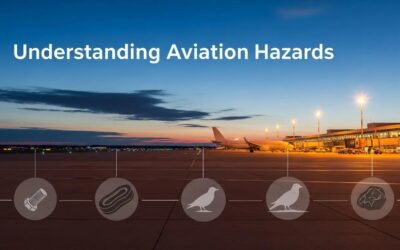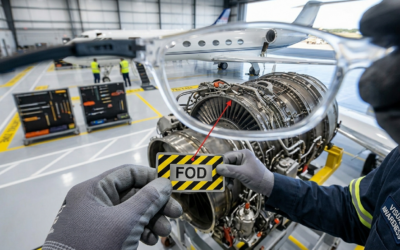
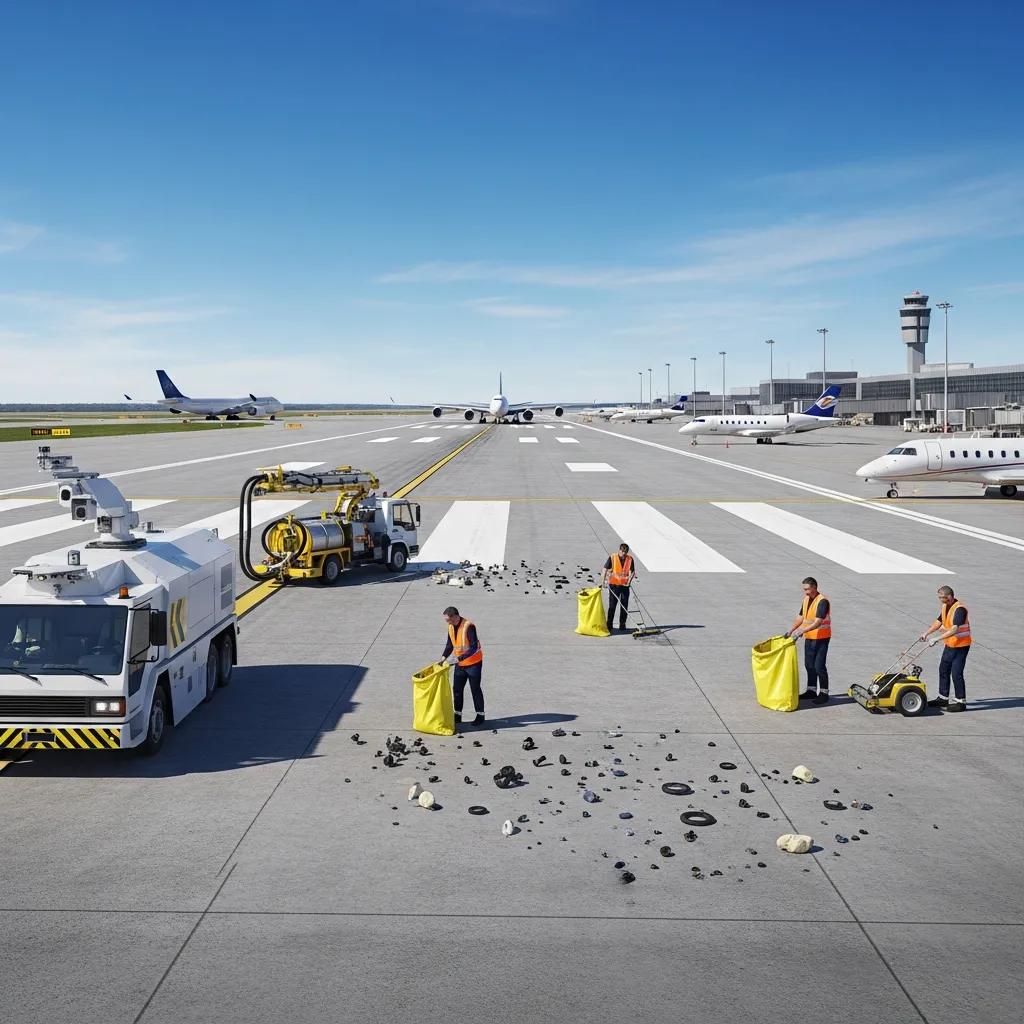

Foreign Object Debris (FOD) poses a significant risk to aviation safety, leading to potential accidents and costly damage. Understanding the importance of FOD management tools is crucial for maintaining safe airport operations. This article explores the various aspects of FOD, including its definition, impact on aircraft safety, common sources, and essential management tools. Readers will learn about the critical role these tools play in preventing FOD incidents and how they contribute to enhanced aviation safety. We will also discuss specific products, including the FODBag, which is designed for effective debris containment. By the end of this article, aerospace professionals will have a comprehensive understanding of FOD management and best practices for implementation.
What is Foreign Object Debris and Why is It Critical to Aviation Safety?
Foreign Object Debris (FOD) refers to any object that is not part of an aircraft or its components and can cause damage during flight operations. This includes items such as tools, luggage, and even natural debris like stones or bird droppings. The presence of FOD on runways or taxiways can lead to severe accidents, including engine failures or structural damage to aircraft. Therefore, effective FOD management is essential to ensure the safety of both passengers and crew.
How Does Foreign Object Debris Impact Aircraft and Runway Safety?
FOD can have devastating effects on aircraft and runway safety. When debris strikes an aircraft, it can lead to catastrophic failures, including engine damage or loss of control. Historical incidents have shown that even small objects can cause significant harm, resulting in costly repairs and potential loss of life. The importance of proactive FOD management cannot be overstated, as it directly correlates with the safety and efficiency of airport operations.
What Are Common Sources and Types of FOD in Aerospace Environments?
Common sources of FOD in aerospace environments include:
-
Maintenance Tools: Tools left behind during aircraft servicing can pose serious risks.
-
Personal Items: Items dropped by passengers or crew can inadvertently become FOD.
-
Natural Debris: Leaves