
Foreign Object Debris (FOD) poses a significant risk in the aviation industry, impacting safety and operational efficiency. This comprehensive guide delves into the nature of FOD, its sources, and the potential damage it can cause to aircraft. Readers will gain insights into effective prevention strategies and safety protocols that can mitigate these risks. Understanding FOD is crucial for maintaining high safety standards in aviation operations, as it can lead to costly repairs and operational delays. This article will cover the definition of FOD, its common sources, the impact on aircraft safety, types of damage caused, statistical overviews, and effective prevention strategies.
Comprehensive Guide on Foreign Object Debris (FOD) in Aviation
Foreign Object Debris (FOD) refers to any object that is not a part of an aircraft and has the potential to cause damage. This can include anything from tools left behind during maintenance to natural debris like stones or bird droppings. The presence of FOD on runways or taxiways can lead to severe consequences, including engine failure or structural damage to aircraft. Understanding what constitutes FOD is essential for implementing effective safety measures in aviation.
Definition:
FOD is defined as any foreign object that can cause damage to an aircraft during its operation. This includes items such as tools, equipment, and natural debris. The significance of FOD lies in its potential to compromise aircraft safety, leading to accidents or costly repairs. By recognizing what constitutes FOD, aviation professionals can better manage and mitigate these risks.
Common Sources:
Common sources of FOD include:
- Maintenance Activities: Tools and equipment left on the tarmac during or after maintenance can become FOD.
- Aircraft Operations: Items that fall from aircraft during takeoff or landing can pose a risk.
- Environmental Factors: Natural debris such as stones, leaves, or wildlife can also contribute to FOD.
Identifying these sources is crucial for developing effective prevention strategies.
Implementing robust tool control programs is a key strategy to address FOD originating from maintenance activities.
Tool Control Programs for Aviation FOD Prevention
Foreign Object Debris (FOD) pose significant risks in aviation maintenance environments, leading to potential safety hazards, operational inefficiencies, and financial losses. Our project aims to evaluate the effectiveness of implementing a structured tool control program in reducing Foreign Object Debris (FOD) occurrences. Standardized paperwork of broken, worn, and missing reports identifies trends of regularly failing tools posing potential FOD risks. With the incorporation of engineering controls such as weight scales, single-point entry systems, ID card scanners, logging systems, motion-light-equipped toolboxes, and magnetized trays, operators can increase accountability, minimize human error, and maintain compliance with safety regulations.
Tool Control and its Impact on Controlling FOD, 2025FAA FOD Prevention Guidelines
Impact on Aircraft Safety and Operational Efficiency:
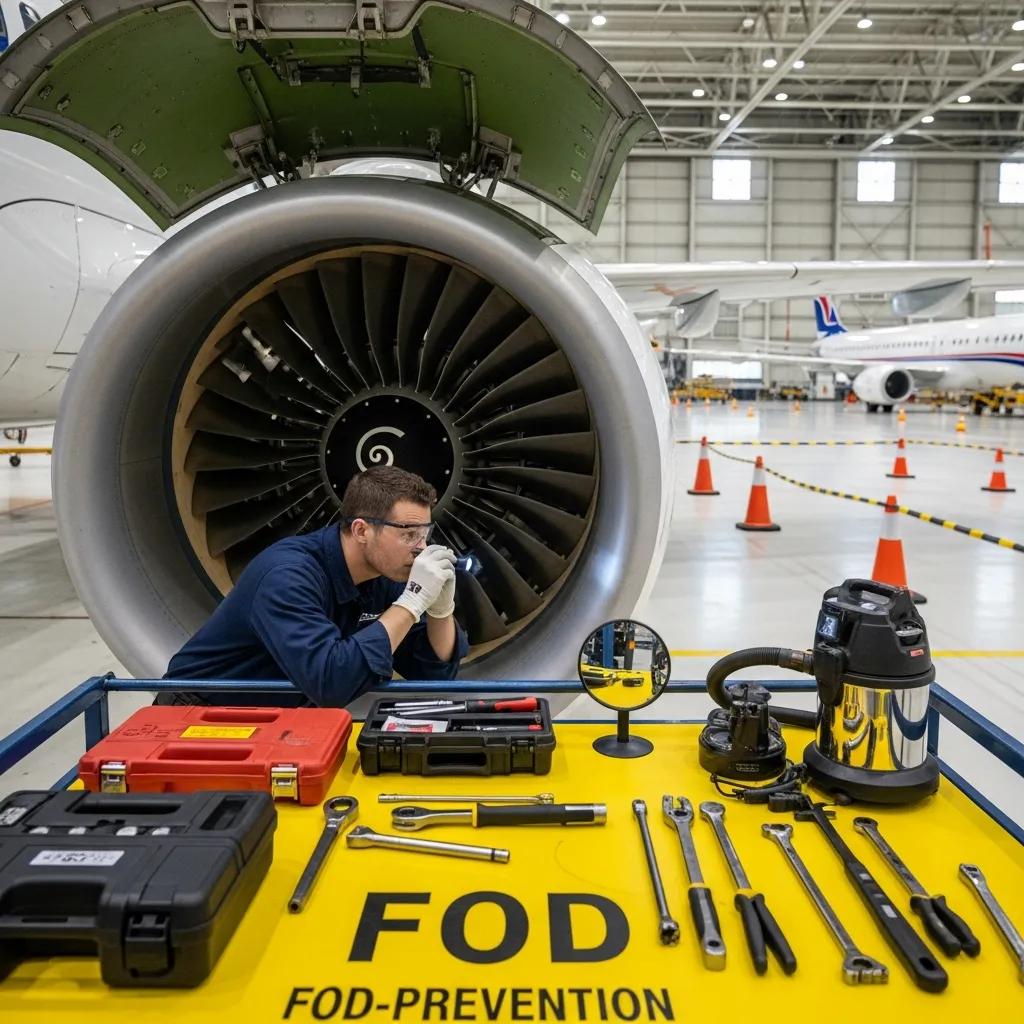
The impact of FOD on aircraft safety is profound. It can lead to engine damage, operational delays, and significant financial implications. For instance, an engine ingesting debris can result in catastrophic failure, necessitating costly repairs and downtime. Additionally, operational efficiency is compromised as flights may be delayed or canceled due to FOD-related incidents. Understanding these impacts emphasizes the importance of FOD management in aviation.
Types of Damage Caused:
FOD can cause various types of damage, including:
- Engine Damage: Ingested debris can lead to engine failure, which is one of the most severe consequences of FOD.
- Structural Damage: FOD can dent or puncture aircraft surfaces, leading to costly repairs.
- Tire Damage: Debris on runways can cause tire blowouts, posing risks during takeoff and landing.
Recognizing these potential damages helps in prioritizing FOD prevention measures.
Statistical Overview of Incidents and Costs:
Statistical data highlights the economic impact of FOD in aviation. Studies indicate that FOD-related incidents can cost airlines millions annually due to repairs, operational delays, and safety investigations. The frequency of such incidents underscores the need for robust FOD management strategies. By analyzing these statistics, aviation professionals can better understand the financial implications of neglecting FOD prevention.
Further research emphasizes the critical role of comprehensive training programs in mitigating these financial and operational impacts.
Aviation FOD Training, Costs, and Operational Impact
FOD understanding of the aircraft pilot training program introduced at several airports [11]. Effective training programs are essential for raising awareness among personnel, reducing human error, and promoting a proactive approach to FOD prevention. Additionally, infrastructure hazards, FOD-related direct costs and flight retards and cancellations are significant concerns in the aviation industry.
A review on foreign object debris/damage (FOD) and its effects on aviation industry, 2020ICAO FOD Safety Initiatives
Effective Prevention Strategies and Safety Protocols:
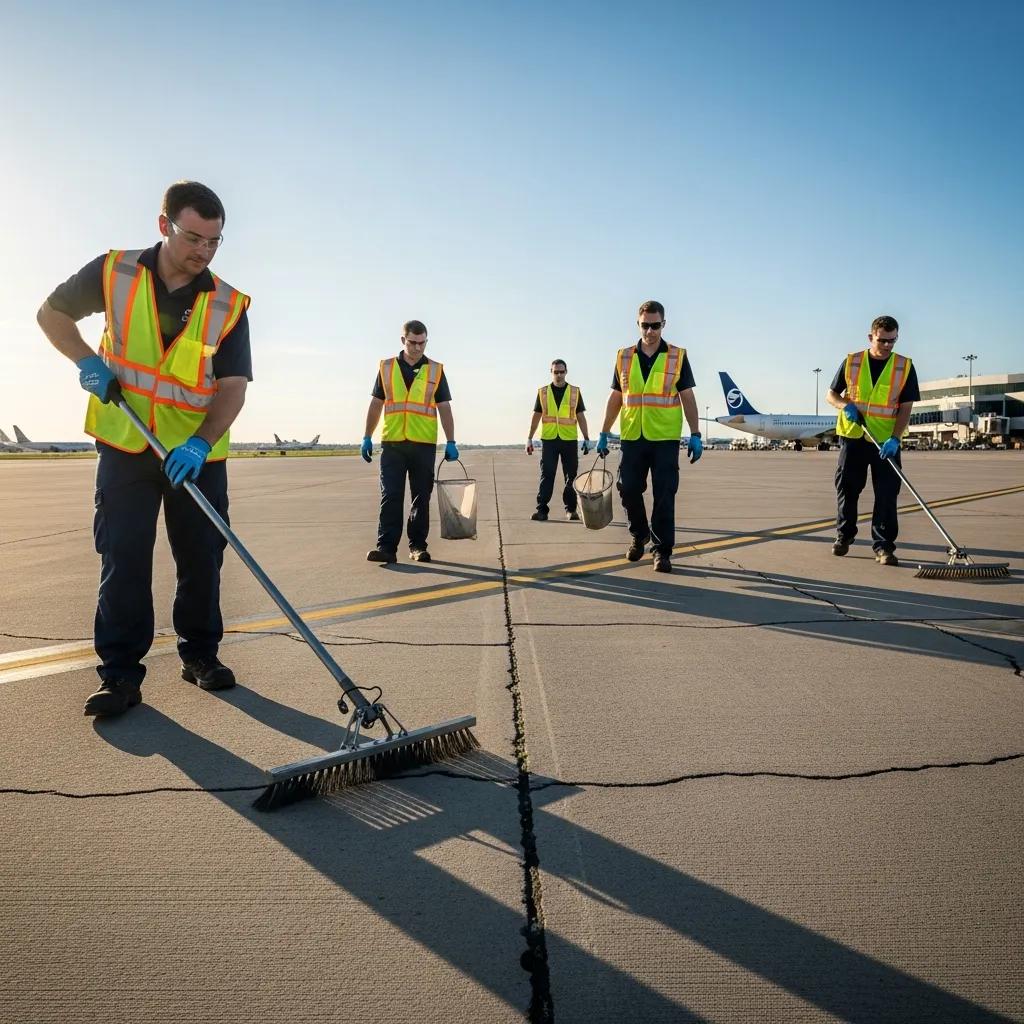
Implementing effective prevention strategies is essential for minimizing FOD risks. Key strategies include:
- Routine Inspections: Regular checks of runways and taxiways can help identify and remove potential FOD.
- FOD Walkdowns: Ground crews should conduct walkdowns before aircraft operations to ensure the area is clear of debris.
- Use of Specialized Tools: Utilizing FOD detection tools can enhance the ability to identify and manage debris effectively.
Powell Pack Products specializes in manufacturing and supplying targeted FOD prevention products such as FOD bags, FOD cans, tapes, and stickers designed for the aviation industry and related manufacturing sectors. These products can significantly enhance safety and compliance in aerospace operations.
What is Foreign Object Debris and Why Does It Matter in Aviation?
Foreign Object Debris (FOD) is a critical concern in aviation, as it encompasses any object that can cause damage to an aircraft. Understanding FOD is vital for maintaining safety and operational efficiency. The presence of FOD can lead to severe consequences, including accidents and costly repairs. Therefore, effective management and prevention strategies are essential for ensuring the safety of aircraft operations.
Types of FOD
FOD can be classified into several types, including:
- Natural FOD: Items such as leaves, stones, and wildlife that can be found on runways.
- Metal FOD: Tools or parts that may fall from aircraft or be left behind during maintenance.
- Runway Debris: Any foreign object that may be present on the runway, including trash or equipment.
Understanding these categories helps in developing targeted prevention strategies.
Sources of FOD
Identifying the sources of FOD is crucial for effective management. Common sources include:
- Maintenance Activities: Tools and equipment left behind during maintenance can become FOD.
- Aircraft Operations: Items that fall from aircraft during takeoff or landing can pose a risk.
- Environmental Factors: Natural debris such as stones, leaves, or wildlife can also contribute to FOD.
By recognizing these sources, aviation professionals can implement better safety measures.
Significance in Aviation
The significance of FOD in aviation cannot be overstated. It poses serious safety risks and can lead to operational inefficiencies. Effective FOD management is essential for ensuring the safety of aircraft operations and minimizing financial losses. Understanding the implications of FOD helps aviation professionals prioritize safety measures.
How FOD Impacts Aircraft Safety and Operational Efficiency
FOD has a direct impact on aircraft safety and operational efficiency. The ingestion of debris can lead to engine failure, resulting in costly repairs and operational delays. Additionally, FOD can cause structural damage to aircraft, further complicating maintenance and safety protocols. Understanding these impacts emphasizes the importance of effective FOD management in aviation.
What Are the Primary Risks and Consequences of FOD in Aviation?
The primary risks associated with FOD include:
- Safety Hazards: FOD can lead to accidents and injuries.
- Financial Impacts: The costs associated with repairs and operational delays can be significant.
Recognizing these risks is essential for developing effective prevention strategies.
Types of Damage Caused by Foreign Object Debris
FOD can cause various types of damage, including:
- Engine Damage: Ingested debris can lead to engine failure, which is one of the most severe consequences of FOD.
- Structural Damage: FOD can dent or puncture aircraft surfaces, leading to costly repairs.
- Tire Damage: Debris on runways can cause tire blowouts, posing risks during takeoff and landing.
Understanding these potential damages helps in prioritizing FOD prevention measures.
Statistical Overview of FOD-Related Incidents and Costs
Statistical data highlights the economic impact of FOD in aviation. Studies indicate that FOD-related incidents can cost airlines millions annually due to repairs, operational delays, and safety investigations. The frequency of such incidents underscores the need for robust FOD management strategies. By analyzing these statistics, aviation professionals can better understand the financial implications of neglecting FOD prevention.
Which FOD Prevention Methods Are Most Effective for Aviation Ground Support?
Effective FOD prevention methods include:
- Routine Inspections: Regular checks of runways and taxiways can help identify and remove potential FOD.
- FOD Walkdowns: Ground crews should conduct walkdowns before aircraft operations to ensure the area is clear of debris.
- Use of Specialized Tools: Utilizing FOD detection tools can enhance the ability to identify and manage debris effectively.
Standard Safety Protocols and Best Practices for FOD Control
Implementing standard safety protocols is essential for effective FOD control. Best practices include:
- Training Programs: Ensuring that all personnel are trained in FOD awareness and prevention.
- Routine Inspections: Conducting regular inspections of runways and taxiways to identify potential FOD.
- Effective Tool Organization: Keeping tools organized and accounted for to prevent them from becoming FOD.
How Ground Support Crews Implement FOD Prevention Techniques
Ground support crews play a crucial role in FOD prevention. They implement techniques such as:
- Routine Inspections: Conducting regular checks of the operational area to identify and remove potential FOD.
- Tool Accountability Systems: Ensuring that all tools are accounted for before and after maintenance activities.
- Use of Specialized Tools: Utilizing FOD detection tools to enhance the ability to identify and manage debris effectively.
What FOD Control Products Enhance Safety and Compliance in Aerospace Operations?
FOD control products are essential for enhancing safety and compliance in aerospace operations. These products include:
- FOD Bags: Designed for collecting debris and preventing it from becoming a hazard.
- FOD Cans: Used for the safe disposal of FOD materials.
- FOD Tapes and Stickers: Marking areas where FOD is present or where FOD prevention measures are in place.
Features and Usage of FOD Bags, Cans, Tapes, and Stickers
FOD bags, cans, FOD tapes, and stickers are designed to enhance safety in aviation operations. Key features include:
- Durability: These products are made from robust materials to withstand harsh conditions.
- Ease of Use: Designed for quick deployment and collection of debris.
- Integration into Safety Protocols: Easily incorporated into existing safety programs to enhance compliance.
Integrating FOD Control Products into Existing Safety Programs
Integrating FOD control products into existing safety programs is essential for effective management. Key steps include:
- Assessment of Current Programs: Evaluating existing safety protocols to identify areas for improvement.
- Selection of Products: Choosing the right FOD control products that align with safety goals.
- Training and Awareness: Ensuring that all personnel are trained in the use of FOD control products.
How Does FOD Detection Technology Improve Debris Management?
FOD detection technology plays a vital role in improving debris management. Key benefits include:
- Real-Time Monitoring: Providing immediate feedback on FOD presence.
- Comprehensive Coverage: Ensuring that all areas are monitored for potential debris.
- Integration with Existing Systems: Enhancing current safety protocols through advanced technology.
Overview of Current FOD Detection Systems and Tools
Current FOD detection systems and tools include:
- Radar Systems: Used for detecting large debris on runways.
- Camera Systems: Providing visual monitoring of operational areas.
- Ground Sensors: Detecting smaller debris that may not be visible to the naked eye.
Further research highlights how advanced technologies are enhancing these detection capabilities.
Modern FOD Detection Methods for Aviation Safety
for aviation safety, conventional FOD detection methods remain a crucial part of FOD prevention and management. For instance, combining radar and infrared sensors can enhance FOD detection capabilities, providing real-time monitoring and early warning systems to prevent potential damage to aircraft.
The modern approaches for identifying foreign object debris (fod) in aviation, GV Ashmi, 2024ResearchGate: Modern FOD Detection Methods
Benefits of Advanced Detection for Early Debris Identification
Advanced detection systems offer several benefits for early debris identification:
- Early Identification: Allowing for quick response to potential FOD threats.
- Safety Improvements: Reducing the risk of accidents caused by debris.
- Operational Efficiency: Minimizing delays and disruptions due to FOD-related incidents.
What Are the Regulatory Compliance Requirements Related to FOD Prevention?
Regulatory compliance for FOD prevention is essential for maintaining safety standards. Key requirements include:
- FAA Guidelines: Adhering to Federal Aviation Administration regulations regarding FOD management.
- Industry Standards: Following best practices established by aviation industry organizations.
- Compliance Measures: Implementing procedures to ensure adherence to regulatory requirements.
Ensuring Compliance Through Documentation and Training
Ensuring compliance with FOD prevention regulations requires thorough documentation and training. Key practices include:
- Documentation Practices: Keeping detailed records of FOD management activities.
- Training Programs: Providing ongoing training for personnel on FOD prevention measures.
- Best Practices for Implementation: Establishing clear protocols for FOD management.
How Do Case Studies and Industry Statistics Demonstrate FOD Prevention Effectiveness?
Case studies and industry statistics provide valuable insights into the effectiveness of FOD prevention measures. Key findings include:
- Real-World Examples: Demonstrating successful FOD management strategies in various aviation settings.
- Data on Cost Savings: Highlighting the financial benefits of effective FOD prevention.
- Safety Improvements: Showcasing reductions in FOD-related incidents through proactive measures.
What Are the Best Practices for Implementing and Monitoring FOD Prevention Programs?
Implementing and monitoring FOD prevention programs involves several best practices:
- Key Strategies: Developing comprehensive strategies for FOD management.
- Measurement Techniques: Establishing metrics to evaluate the effectiveness of prevention measures.
- Compliance Standards: Ensuring adherence to industry regulations and best practices.
Shop FOD Prevention Products
Put this guidance into practice with products built for FOD control.